
Do Cold, Hot or Sweet Foods Make Your Teeth Hurt?

A quick zing may come from exposed roots or worn enamel—but sensitivity in one tooth, or pain that lingers, can also signal decay or a crack. An examination can help identify the cause and the right next step.
You do not need to know the cause before booking—we will help you work it out.
What Does Your Sensitivity Feel Like?
Choose the closest pattern. This guide does not diagnose the problem; it helps you understand how soon to arrange a review.
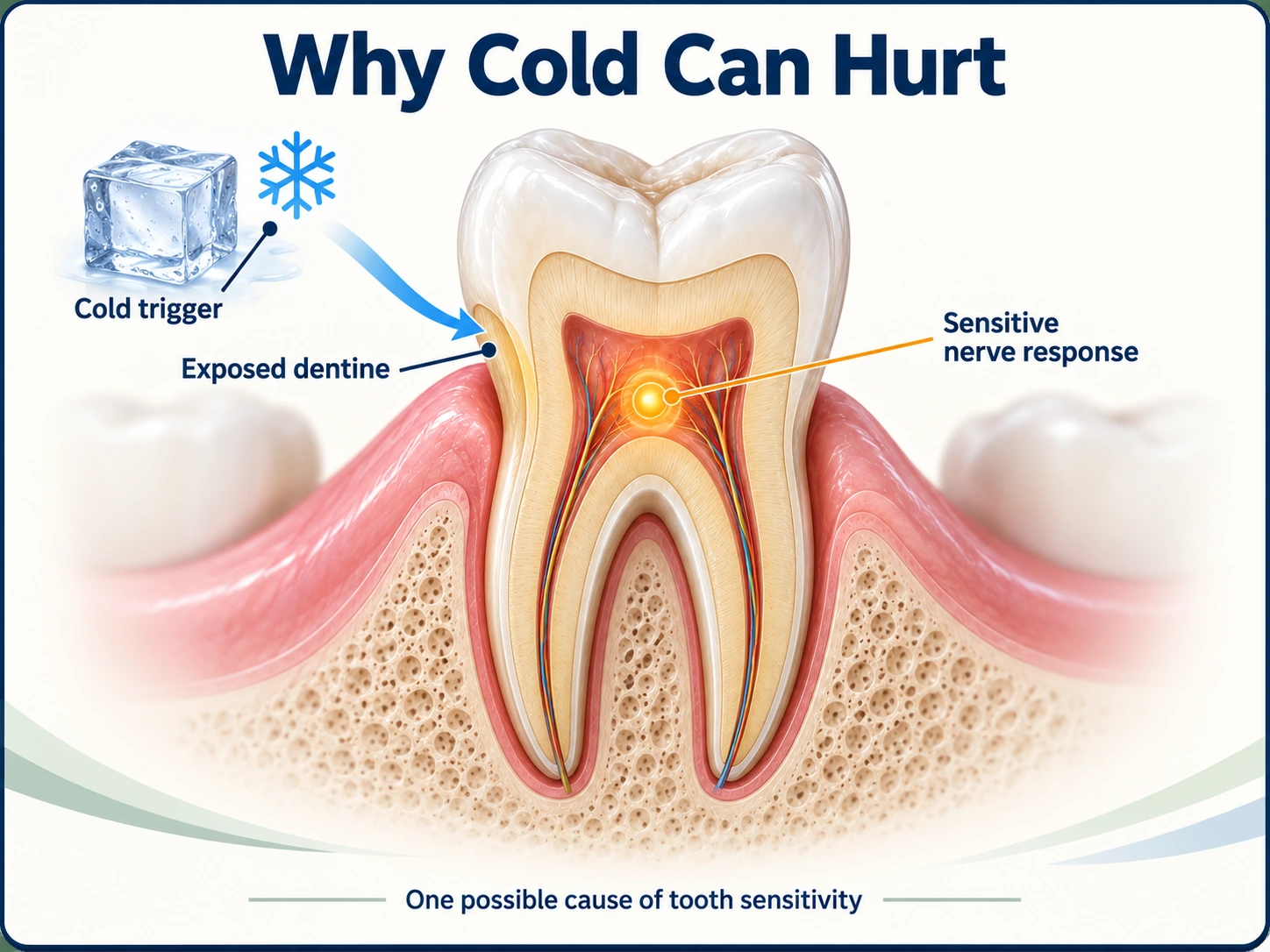
Choose the closest match
Your answer opens guidance directly below.
Select a pattern to see your next step
Notice which teeth react, what triggers the feeling and how long it lasts. These details help us understand your symptoms during your visit.
If you also have swelling, fever or severe pain, seek prompt dental advice.
This selector is educational and cannot confirm the cause of sensitivity.
What Happens at Your Visit for Sensitive Teeth?
The goal is to find out whether the feeling comes from exposed dentine, a tooth problem, the gums or recent dental work.
We Listen First
Tell us which teeth react, what triggers them and whether the discomfort stops quickly or lingers.
We Check the Teeth and Gums
We look for recession, wear, decay, cracks, loose fillings and areas that may be difficult to clean.
We Test Carefully
Gentle temperature, tapping or bite checks may help identify the tooth involved without unnecessary discomfort.
Images Only if Helpful
An X-ray may be advised when decay, a crack, a filling problem or deeper inflammation is suspected.
You Receive a Practical Plan
We explain what we found, what you can do at home and whether treatment is likely to help.
Why Might a Tooth Feel Sensitive?
Explore six common patterns a dentist may assess. The visual guide does not diagnose your tooth.
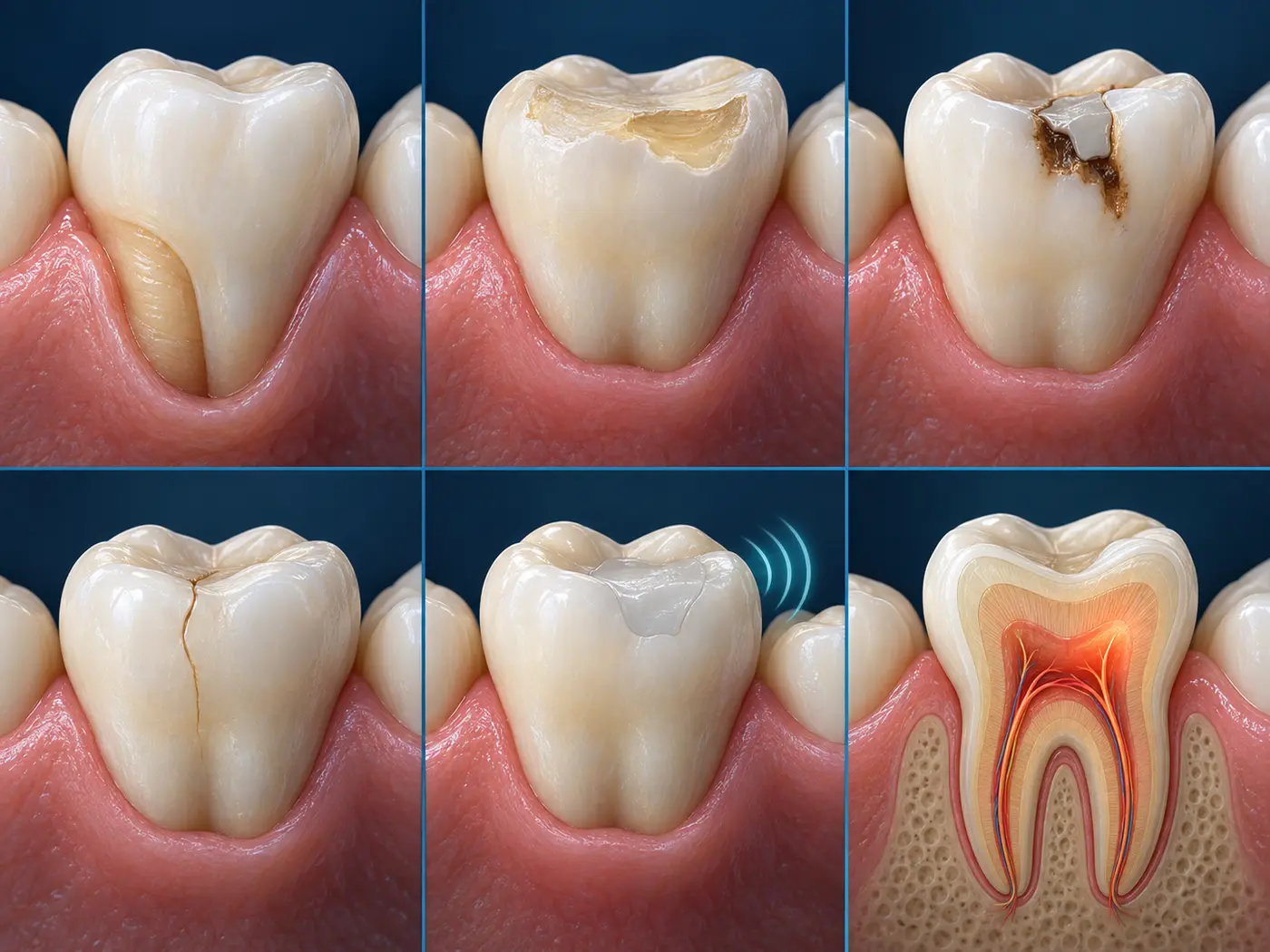
Select a visual cause
Choose one of the six patterns to see a short patient-friendly explanation.
Similar symptoms can have different causes. A clinical examination is needed to know what is happening in your tooth.
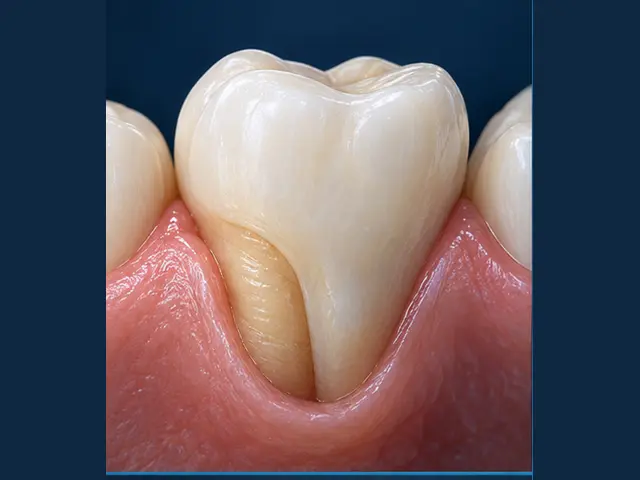
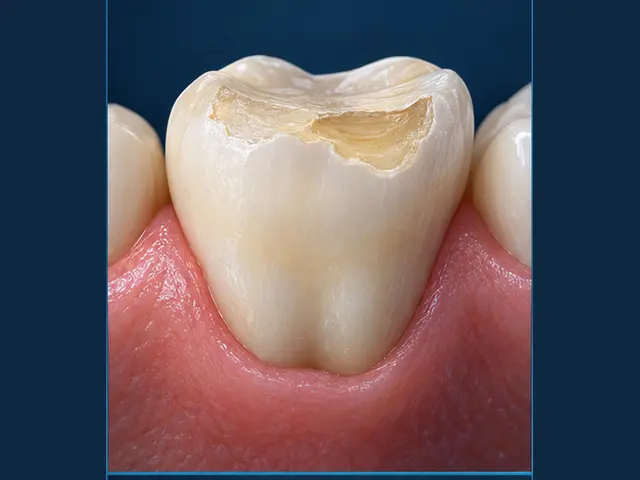
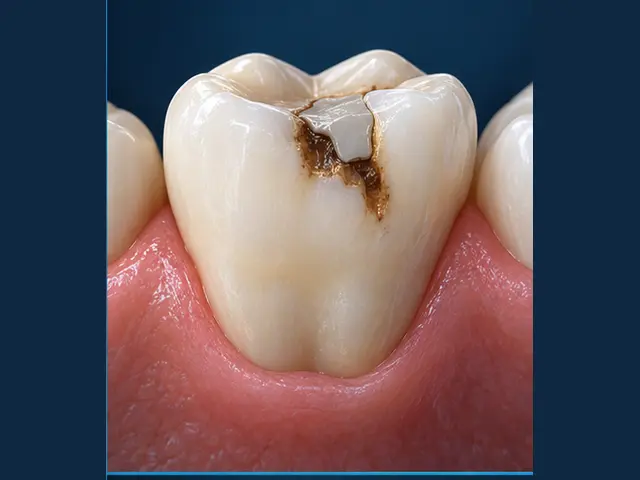
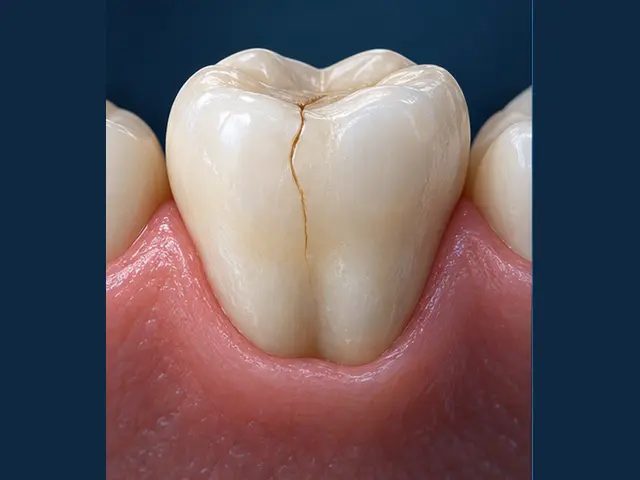
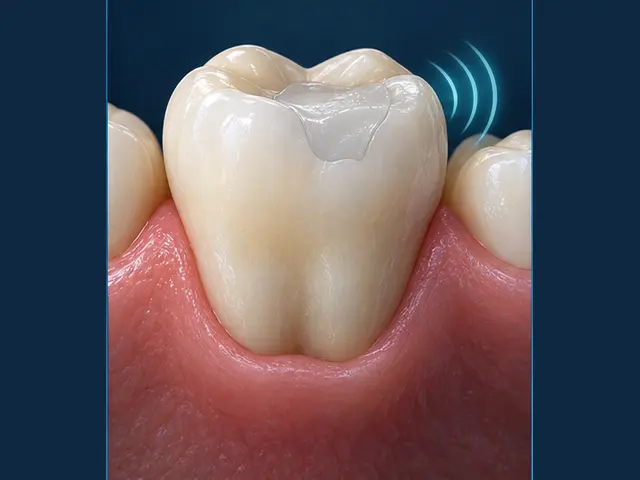
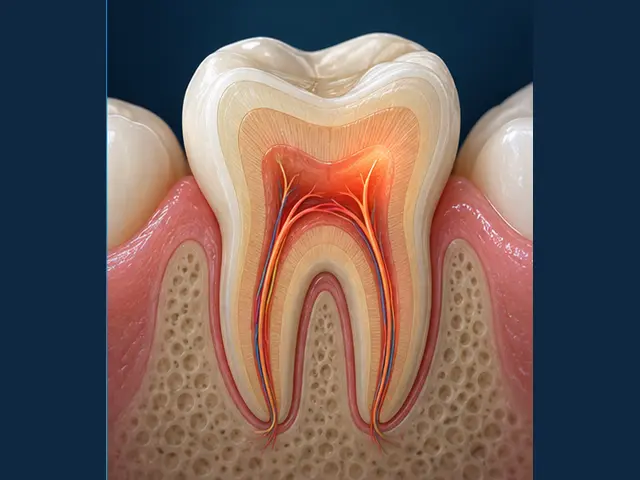
Swipe sideways to compare all six causes.
What May Help After We Check the Cause?
There is no single treatment for every sensitive tooth. Your plan should address the reason the tooth is reacting.
Desensitising Support
A sensitivity toothpaste, fluoride product or in-clinic desensitising application may help exposed dentine.
Repairing the Tooth
Decay, a worn area, a damaged filling or a crack may require a restoration or another appropriate repair.
Supporting the Gums
If recession or gum disease contributes, cleaning guidance and periodontal care may form part of the plan.
Managing Wear or Grinding
We may discuss checking your bite, changing habits or using a protective appliance when wear or clenching is involved.
How Can You Reduce Sensitivity at Home?
Home care can calm many sensitive areas, but it should not delay an examination when one tooth is worsening or pain lingers.
Brush gently with small movements rather than scrubbing hard at the gumline.
Use it consistently as directed; improvement often takes repeated use rather than one application.
Limit repeated sipping of fizzy, citrus or acidic drinks and rinse with water afterwards.
After acidic food, drinks or reflux, wait before brushing so softened enamel is not scrubbed immediately.

When Should You See a Dentist?
Brief sensitivity is common, but changes in intensity, duration or associated symptoms matter.
Arrange a Dental Visit Soon
- one tooth is much more sensitive than the others
- the problem is new, recurring or getting worse
- it hurts when you bite or release your bite
- sensitivity continues after recent treatment
- home measures have not helped
Seek Prompt Dental Advice
- pain lingers or starts without a trigger
- there is swelling, fever, pus or a bad taste
- the tooth is broken or there has been trauma
- facial swelling is increasing
- breathing or swallowing is difficult—seek urgent medical help
Sensitive Teeth FAQs
Is tooth sensitivity always a cavity?
No. It can come from exposed roots, enamel wear, a crack, a filling, recent treatment or inflammation inside the tooth. An examination helps distinguish these causes.
Why is only one tooth sensitive?
One-tooth sensitivity is more likely to involve a local issue such as decay, a crack, a worn filling, gum recession or bite stress, so it is worth assessing.
How long does sensitivity toothpaste take to work?
It usually needs consistent use over time; the response varies with the product and cause. If symptoms persist, worsen or linger, arrange a consultation rather than relying on toothpaste alone.
Can worn enamel grow back?
Lost enamel does not grow back. Fluoride and good habits can support the remaining surface, while a dentist can advise whether a worn or exposed area needs protection.
Is sensitivity after a filling or cleaning normal?
Mild temporary sensitivity can occur, but it should trend towards improvement. Contact the clinic if it is severe, worsening, affects biting or does not settle as advised.
Patient information reviewed for clarity and clinical safety by Dr Deepthi, GardenCity Smiles™. Last reviewed: September 2026.
You May Also Want to Read
Ready to Enjoy Food and Drinks More Comfortably?
We will listen to what you are feeling, examine the likely source and explain the options clearly—without assuming every sensitive tooth needs treatment.