
Cracked & Fractured Tooth
Understanding Tooth Cracks — From Hairlines to Complete Fractures
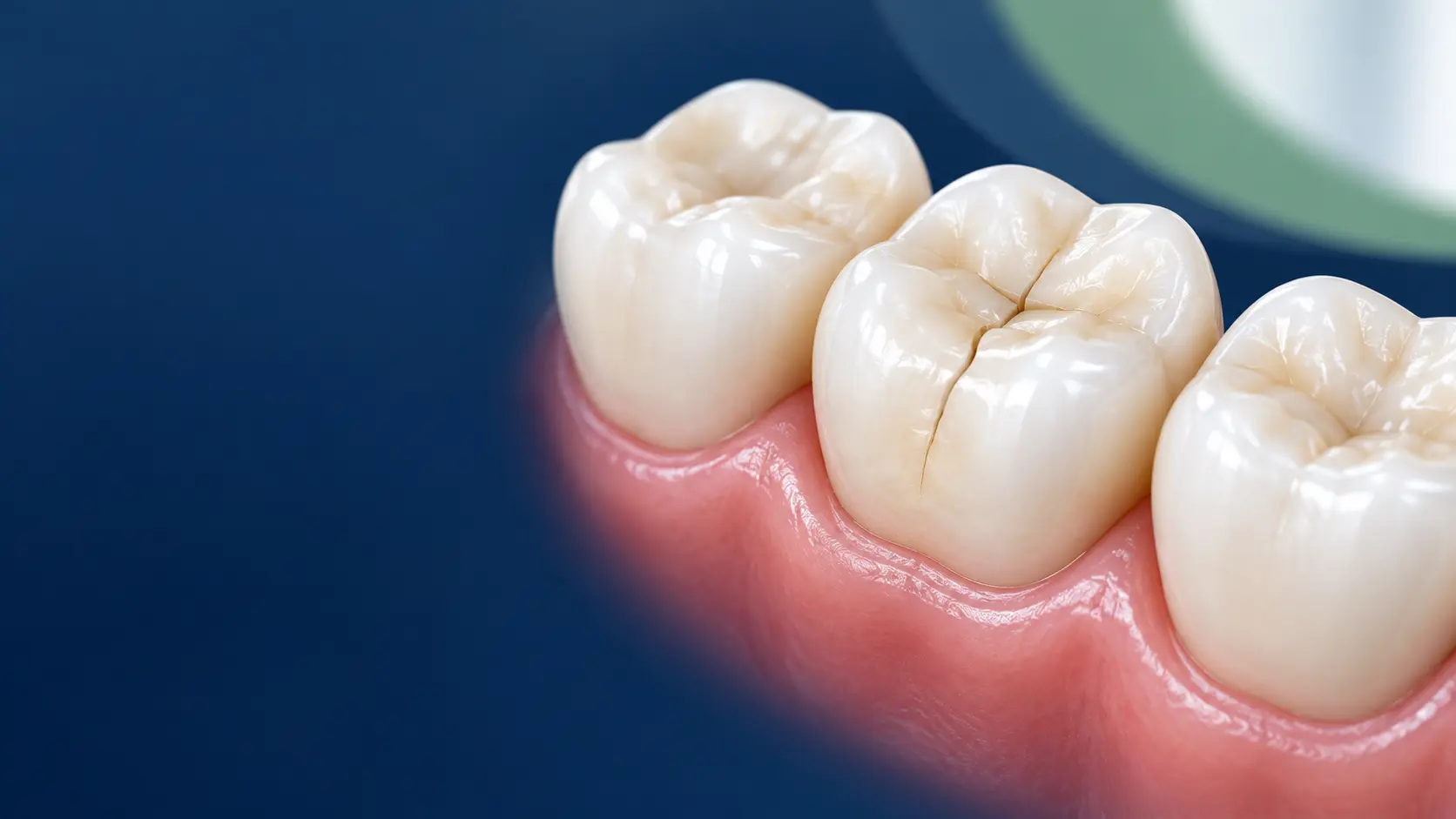
Cracked and fractured teeth are among the most complex challenges in dentistry — not because they are rare, but because cracks are often invisible on X-rays and difficult to locate precisely. Understanding the type and extent of a crack determines the treatment and whether the tooth can be saved.
A broken or knocked-out tooth needs urgent dental advice. If the clinic is unavailable, seek another emergency dental service.
Key Signs to Watch For
- 1Sharp pain when biting down, immediately relieved when you release pressure — the classic cracked tooth symptom
- 2Pain that is difficult to locate — you know it is in that area but cannot pinpoint which tooth
- 3Sensitivity to cold that lingers, or sensitivity triggered by both hot and cold
- 4Inconsistent pain — it comes and goes, making diagnosis challenging
- 5Pain when chewing in a specific direction or on a particular food type
- 6A visible chip or broken piece of tooth
Understanding This Condition
Cracks range from shallow enamel lines to fractures involving deeper tooth structure. Their extent and the health of the pulp and supporting tissues affect whether a tooth can be retained.
Symptoms and X-rays do not always reveal a crack clearly. Your dentist may need to examine the tooth carefully and carry out appropriate tests before recommending treatment.
Signs & Symptoms
How to Recognise This Condition
These symptoms can have several causes. An examination helps establish whether treatment is needed.
Sharp pain when biting down, immediately relieved when you release pressure — the classic cracked tooth symptom
Pain that is difficult to locate — you know it is in that area but cannot pinpoint which tooth
Sensitivity to cold that lingers, or sensitivity triggered by both hot and cold
Inconsistent pain — it comes and goes, making diagnosis challenging
Pain when chewing in a specific direction or on a particular food type
A visible chip or broken piece of tooth
Swelling of the gum near the tooth if crack has allowed bacterial infection
Root Causes
Why This Happens
Understanding the cause is the first step to choosing the right treatment and preventing recurrence.
Biting on hard foods — ice, hard candy, unpopped popcorn kernels, hard nuts, bones
Teeth grinding (bruxism) — sustained high forces create fatigue cracks over time
Large fillings that weaken tooth structure — heavily restored teeth are more prone to cracking
Trauma — a blow to the mouth from sports, falls, or accidents
Age — teeth naturally become more brittle and crack-prone with age
Abrupt temperature changes — repeatedly consuming very hot followed by very cold foods
Pin or post placements inside teeth creating stress concentrations
Treatment Options to Discuss
Your consultation covers suitable options, limitations and alternatives. Some conditions require specialist referral.
Bonding or a restoration
Selected chips or fractures can be repaired with a filling or another restoration.
Protective crown
Some weakened teeth may benefit from a crown. A crown does not guarantee that a crack will stop progressing.
Root canal treatment
This may be needed if the pulp is irreversibly inflamed or infected and the tooth is restorable. Explore root canal treatment →
Extraction and replacement discussion
Some deep fractures cannot be predictably retained. Replacement choices and timing are discussed individually. Understand tooth removal and oral-surgery care →
What Every Patient Should Know
Bring any recovered tooth fragment to the appointment in milk or saliva in a container. Avoid chewing hard foods on the damaged tooth.
A knocked-out permanent tooth is time-sensitive. Seek emergency dental care immediately. Baby teeth must not be put back into their sockets. Do not delay care while waiting for a response to an online message.
Prevention
Care and Risk Reduction
These habits can support oral health. Your dentist may recommend additional measures for your circumstances.
Avoid chewing ice — one of the most common causes of tooth cracks
Be cautious with hard foods — nuts, hard candy, popcorn kernels, hard bread crusts
Wear a mouthguard during contact sports — cricket, basketball, martial arts, cycling
If you grind your teeth at night, wear a custom night guard
Do not use your teeth as tools — opening packages, biting thread, or cracking shells
Restore large cavities and broken teeth promptly — heavily decayed teeth are structurally weak
When to See a Dentist
Arrange a dental visit for these concerns. Emergency symptoms need immediate medical care.
A piece of tooth has broken off
Pain when biting or releasing the bite
A tooth is loose following an injury
A knocked-out tooth — seek emergency dental care immediately
Swelling near an injured tooth
Frequently Asked Questions
General information to support your discussion with the treating clinician.
Will a cracked tooth need root canal treatment?
Can every cracked tooth be saved?
What if a line on my tooth does not hurt?
Ready to Get the Right Treatment?
Book a consultation with Dr. Deepthi Kalahasti at GardenCity Smiles™, Yelahanka. Walk in with a concern, leave with a clear personalised plan.