

Mon–Sat: 9:30 AM – 7:30 PM  ·  Sun: By Appointment Only
Home / Specialised Care / Facial & Unexplained Tooth Pain

Facial, Jaw & Unexplained Tooth Pain

Pain that keeps returning—or continues after dental treatment—deserves a careful explanation. We assess your teeth, jaw, muscles and related symptoms to understand the likely source and plan your next step.
Dr Deepthi Kalahasti
Prosthodontist & Implantologist · American Board Certification in Orofacial Pain

What Does Your Pain Feel Like?

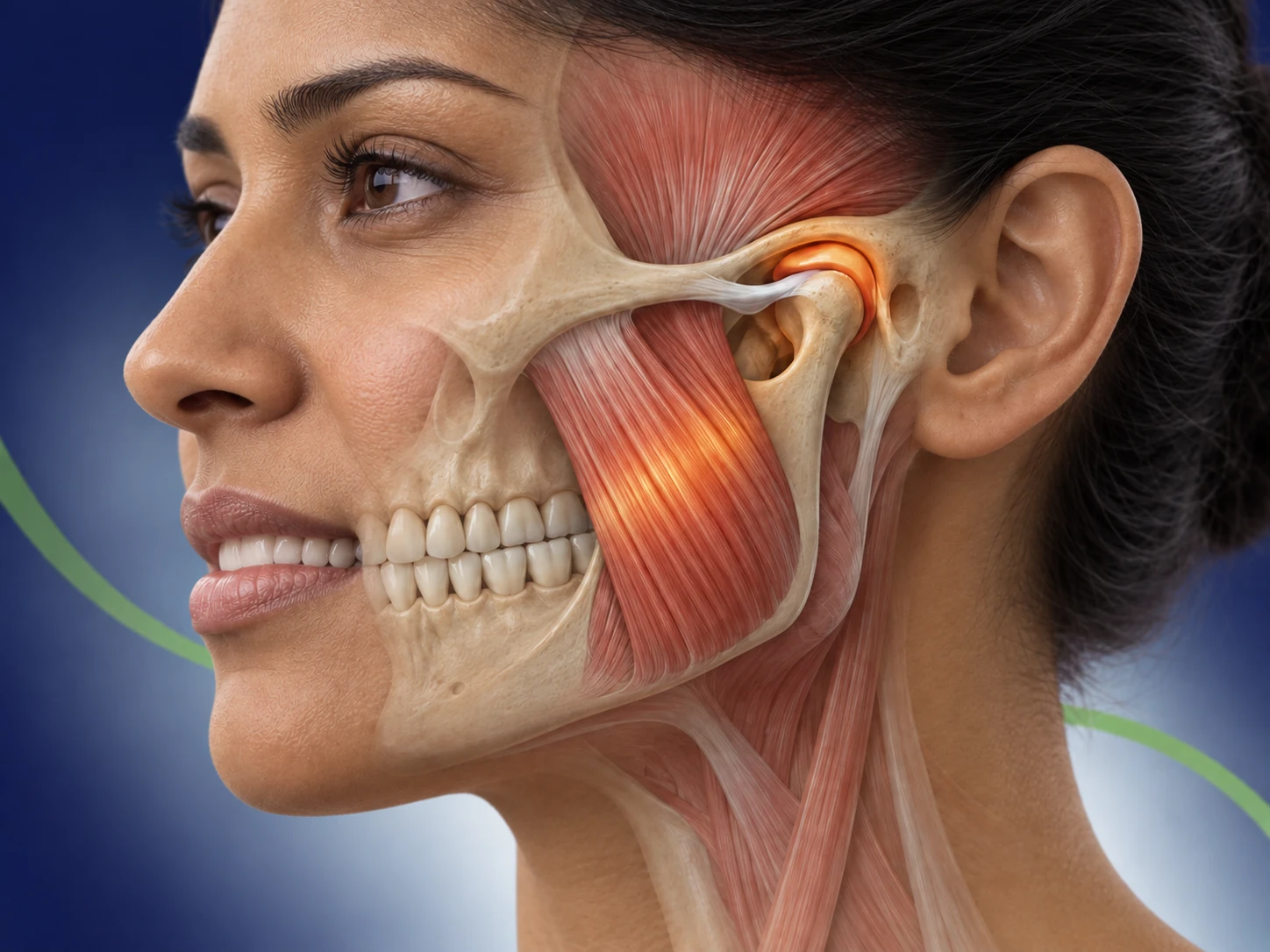
Choose the closest description. The illustration and explanation change together. The same symptom can have several causes; this guide helps you describe it at your appointment.

What Happens at Your First Visit?

Bring previous scans or X-rays, treatment summaries, a medicine list and any appliance you already use. A brief note of triggers, timing and how pain affects eating or sleep is useful.

We listen to where pain started, how it feels, what changes it and what you have already tried. Your medical history, sleep and other pain conditions may be relevant.

We examine the teeth and mouth, jaw movement, joints and chewing muscles. Existing records are reviewed; further tests are chosen only when they can help answer a clinical question.

We explain the likely source, possible contributors and any uncertainty. Some cases need observation, another visit or medical consultation before the explanation is clear.

Your plan may include guided self-care, exercises or physiotherapy, medicine when appropriate, a selected appliance or coordinated medical care. We agree how progress will be checked.

What Would Improvement Mean for You?

For persistent pain, progress may mean easier chewing, better sleep, fewer flare-ups and less disruption—not necessarily an immediate or complete cure. We agree realistic goals and review whether the plan is helping.

Yes, depending on the cause. A broader consultation may lead to conservative management or referral. A splint is considered for a specific purpose; it is not automatic for facial pain.

Neurology, ENT, pain medicine, physiotherapy, sleep medicine or primary care may be appropriate when the findings suggest a need for their expertise. We explain why referral would help.

We will explain what is known, what remains uncertain and the next sensible step. Reassessment can be safer than beginning an irreversible procedure without a clear reason.

When Should You Seek Urgent Help?

Seek urgent medical help for sudden facial weakness, a sudden severe headache, major trauma, new vision or neurological symptoms, or difficulty breathing or swallowing. Spreading swelling with fever needs urgent examination. New or progressive unexplained numbness should be reviewed promptly; do not wait for a routine online enquiry.

Questions About Facial and Persistent Tooth Pain

Orofacial pain covers pain in the mouth, face and related areas. Temporomandibular disorders (TMDs), involving jaw joints and muscles, are one part of that wider field.

No. Your pain is real. X-rays answer particular questions and cannot show every cause of pain. History, examination and appropriately selected investigations are considered together.

Not everyone needs new imaging. Bring existing records so we can decide whether an additional test would change our understanding of the cause or your treatment plan.

Yes. The treated tooth and nearby tissues need checking, but persistent pain can also involve another source. Repeating treatment depends on the findings rather than the pain location alone.

Only if there is a specific clinical reason. Many pain presentations need other approaches. If an appliance is suggested, we explain its purpose, limitations and review plan.

Let’s Discuss Your Facial or Jaw Pain

Share a few details in the form below. It prepares a WhatsApp message for you to review and send; your appointment is confirmed separately by the clinic.
Scroll to Top