

Bad Breath (Halitosis)
Finding the Cause of Persistent Bad Breath.
Bad breath can be temporary or persistent. Oral hygiene, gum problems, dry mouth, food, tobacco and medical conditions can contribute. Review helps identify which factors need attention.
Yelahanka New Town, Bengaluru · Mon–Sat, 9:30 AM–7:30 PM
Understanding This Condition
Bacteria on the tongue and around teeth can contribute to unpleasant odour. Dry mouth, gum disease and tooth problems can also play a part.
Persistent breath concerns are assessed alongside oral health, cleaning habits, medicines and medical history. If an oral cause is not found, medical consultation may be appropriate.
Strong-smelling foods can cause temporary breath changes. If bad breath continues for a few weeks despite consistent cleaning, arrange a dental examination.
Persistent bad breath despite good oral hygiene usually has a dental or medical cause that needs professional diagnosis.
Signs & Symptoms
How to Recognise This Condition
These symptoms can have several causes. An examination helps establish whether treatment is needed.
- Persistent unpleasant odour from the mouth noticed by others
- A sour, bitter, or metallic taste in the mouth
- Thick white or yellow coating visible on the back of the tongue
- Dry mouth — reduced saliva allows bacteria to thrive
- Post-nasal drip from sinuses feeding bacteria on the back of the tongue
- White lumps on or near the tonsils — tonsil stones
- Bad breath worse in the morning or after sleeping
Root Causes
Why This Happens
Understanding the cause is the first step to choosing the right treatment and preventing recurrence.
Select a topic to explore

On the tongue surface
Tongue coating
A coating can hold bacteria and debris, particularly towards the back of the tongue.
Tongue coating — bacterial biofilm on the tongue dorsum (most common cause)
Around the gumline
Gum disease
Deeper spaces between teeth and gums can collect bacteria that routine brushing cannot reach.
Gum disease — periodontal pockets harbour VSC-producing anaerobic bacteria
Within a cavity
Tooth decay
A cavity can trap food and bacteria. Cleaning alone cannot repair established decay.
Tooth decay — bacteria in cavities produce sulphur compounds
Less natural cleansing
Dry mouth
Saliva helps clear food and bacteria. Ongoing dryness needs investigation, including a review of medicines.
Dry mouth (xerostomia) — saliva washes away bacteria; less saliva means more odour
A temporary trigger
Foods
Some food odours can remain noticeable after eating, even when the mouth has been cleaned.
Foods — garlic, onions, and certain spices enter the bloodstream and are exhaled
Several effects together
Smoking & tobacco
Tobacco can add its own odour and contribute to dry mouth and gum problems.
Smoking and tobacco — causes dry mouth, gum disease, and direct odour
Debris in tonsil crevices
Tonsil stones
Small collections of debris may form in the tonsils and contribute to an unpleasant smell.
Tonsil stones (tonsilloliths) — calcified debris trapped in tonsillar crypts
At the back of the throat
Sinuses & post-nasal drip
Mucus draining from the nose and sinuses may contribute to a coating and odour.
Sinusitis and post-nasal drip — infected mucus is a protein source for bacteria
Beyond the mouth
Acid reflux
Reflux may contribute to breath concerns. Persistent symptoms may need medical consultation.
Acid reflux (GERD) — stomach acid and gas reach the mouth
When general health plays a part
Medical Conditions
Most persistent bad breath starts in the mouth. Some medical conditions can contribute, but breath odour alone cannot identify or diagnose them.
- Diabetes
- Diabetes can increase the risk of dry mouth and gum disease, which may contribute to persistent bad breath. Tell your dentist about your blood sugar control and medicines so your dental and medical care can be coordinated.
- Sinus or respiratory infections
- Sinus infections and, less commonly, infections in the lungs can affect breath. Persistent nasal discharge, facial pain, fever or a productive cough should be discussed with a doctor.
- Acid reflux
- Reflux can contribute in some people, particularly with regurgitation or heartburn. It is not the usual explanation for persistent bad breath; oral causes should also be assessed.
- Severe kidney or liver disease — uncommon causes
- Kidney failure or liver failure can produce unusual breath odours. These are uncommon explanations for an everyday breath concern and require medical consultation, not self-diagnosis from a smell.
Get immediate medical help: Fruity or acetone-like breath together with marked thirst, frequent urination, vomiting, deep breathing, unusual sleepiness or confusion may indicate diabetic ketoacidosis. Go to a hospital emergency department, even if diabetes has not previously been diagnosed.
What to do next: Start with a dental examination for persistent bad breath. Share any medical conditions, medicines and other symptoms; your dentist can advise when medical review is needed.
Patient information: NIDDK — Diabetes and oral health · NHS — Diabetic ketoacidosis · MSD Manual — Bad breath
Terms explained: VSC means volatile sulphur compounds—odour-producing gases released by some bacteria. Xerostomia means dry mouth. GERD means gastro-oesophageal reflux disease.
Treatment Options to Discuss
Your consultation covers suitable options, limitations and alternatives. Some conditions require specialist referral.
01Oral hygiene guidance
Gentle tongue cleaning, brushing and cleaning between teeth may help where deposits contribute to odour.
02Gum and tooth treatment
Treating confirmed gum disease, decay or problematic restorations addresses relevant dental causes.
03Understanding Dry Mouth
Discuss medicines and health conditions. Suitable saliva products and other measures may be recommended; do not change medicines independently.
04Medical referral where needed
Persistent symptoms without a clear dental cause may need examination by a doctor or another appropriate clinician.
What Every Patient Should Know
There is no need to be embarrassed.
Repeatedly masking breath with mints may leave a treatable cause unaddressed. A dental examination is useful when the concern persists despite routine cleaning.
Explain when you notice the problem and whether there is dryness, bleeding, pain or a change in taste.
Prevention
Care and Risk Reduction
These habits can support oral health. Your dentist may recommend additional measures for your circumstances.
Select a topic to explore

Twice a day
Brush gently
Brush gently twice daily with fluoride toothpaste.
Spend about two minutes cleaning the outer, inner and chewing surfaces. Spit out excess toothpaste without rinsing immediately afterwards.
Every day
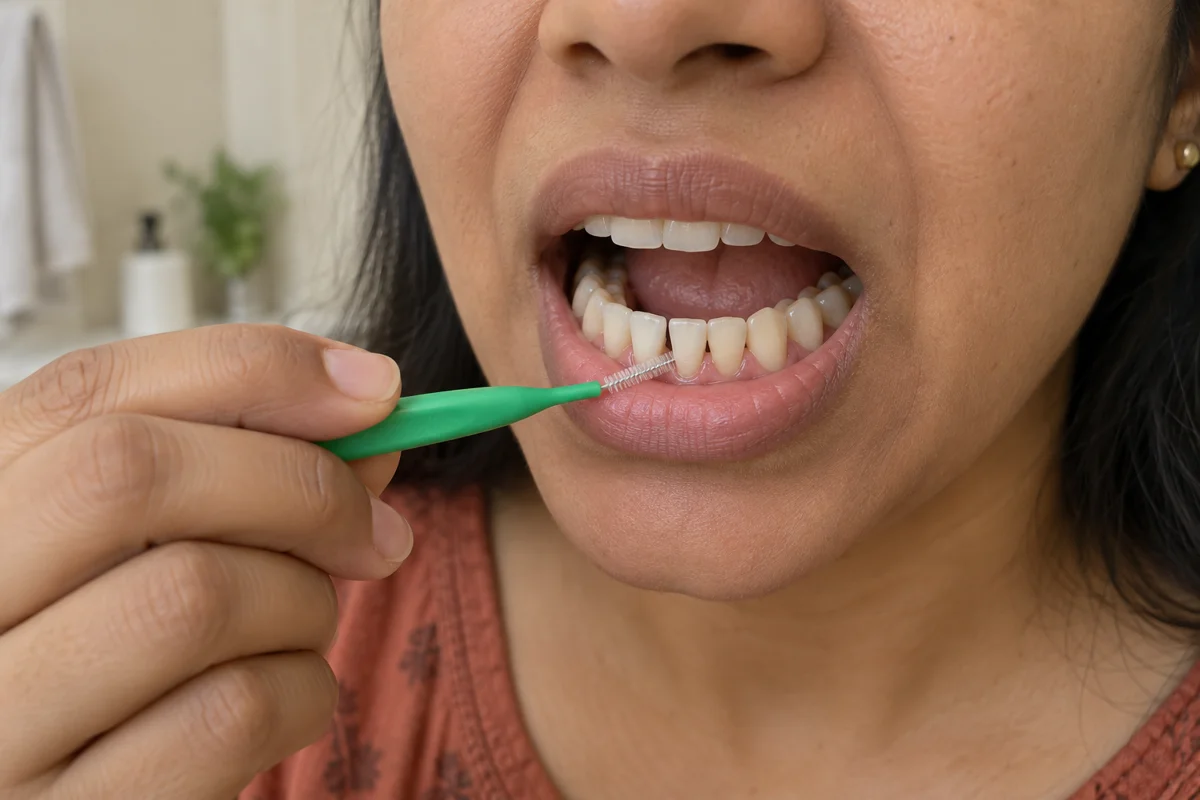
Clean between teeth
Clean between teeth daily with floss or a suitable interdental brush.
Ask your dentist which size fits. Guide the brush gently through the space; never force it. If using floss, curve it around each tooth and move it gently up and down.
Once a day
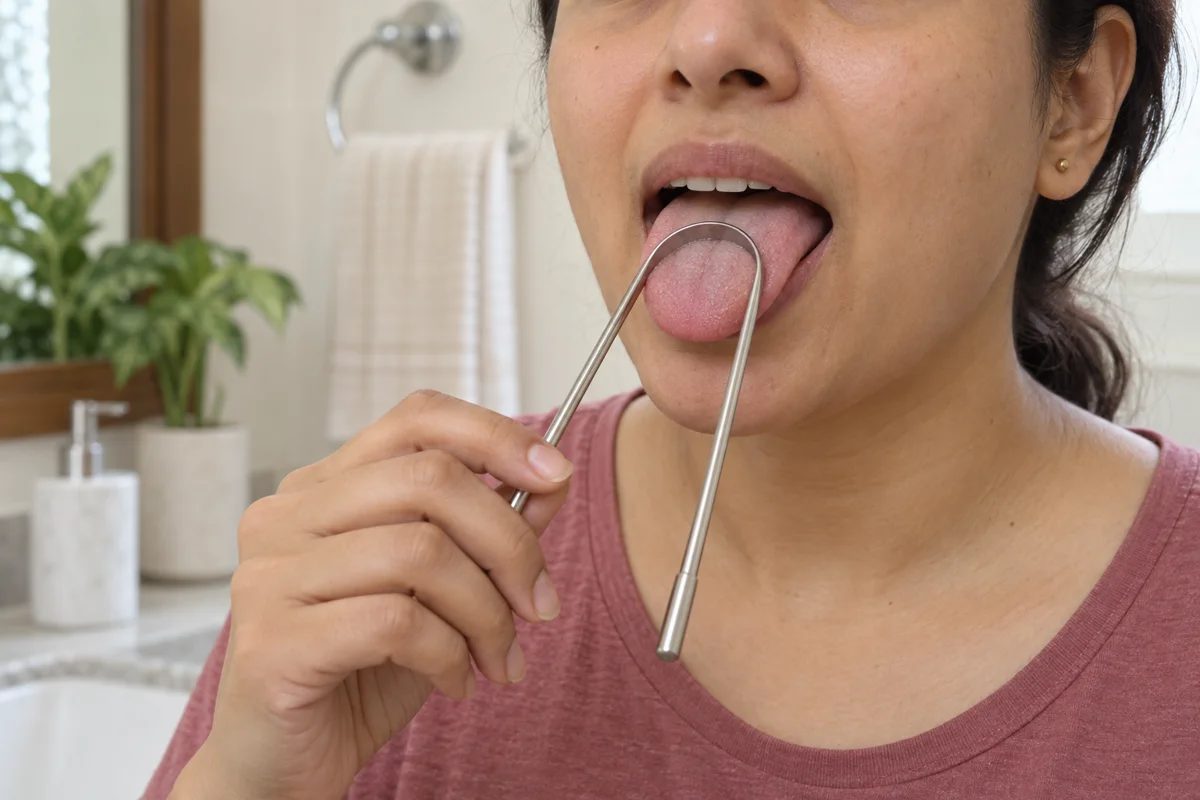
Clean your tongue
Clean your tongue gently every day.
Use a tongue cleaner or scraper with light pressure. Avoid scrubbing hard enough to cause soreness or bleeding.

Through the day
Stay hydrated
Drink enough water to support normal saliva flow.
If your mouth stays dry, discuss it with your dentist. Medicines and health conditions can contribute; do not change medicines independently.
Beyond your daily cleaning
Help prevent recurring bad breath
Keep the four daily-care habits above consistent, and pay attention to other factors that can contribute.
- Avoid tobacco: Ask for support to stop smoking or using tobacco.
- Limit sugary foods and drinks: Avoid frequent sugary snacks and excessive alcohol.
- Notice food and diet triggers: Strong-smelling foods, fasting and crash diets can affect breath.
- Care for dentures: Clean them daily and remove them at night.
- Keep dental reviews: Attend at the interval recommended for your needs.
If bad breath continues after a few weeks of self-care, book a dental consultation. Painful, swollen or bleeding gums, toothache or loose teeth also need attention.
Support your routine: Avoid tobacco and discuss support for stopping if needed. Arrange dental reviews at intervals recommended for your individual risk.
If you wear dentures, clean them carefully and remove them at night. Avoid scrubbing your tongue or gums hard enough to make them bleed.
When to See a Dentist
Arrange a dental visit for these concerns. Emergency symptoms need immediate medical care.
○ Routine Dental Visit
- Bad breath persists despite thorough brushing, flossing, and tongue cleaning
- Others have mentioned your breath despite your oral hygiene efforts
- You have a persistent bad taste in the mouth you cannot explain
- You notice a white coating at the back of your tongue
- You have swollen, bleeding gums alongside the bad breath
! Urgent dental care
Seek urgent dental care if bad breath or a bad taste occurs with severe tooth pain, facial swelling or fever.
+ Immediate medical help
Get immediate emergency medical help for difficulty breathing or swallowing, or extensive swelling in the mouth. Do not wait for a routine appointment.
Frequently Asked Questions
General information to support your discussion with the treating clinician.
Patient information sources: NHS: Bad breath · NHS: Dental abscess. · NHS: Keeping your teeth clean.
Explore related concerns:
Ready to Get the Right Treatment?
Book a consultation with Dr. Deepthi Kalahasti at GardenCity Smiles™, Yelahanka. Walk in with a concern, leave with a clear personalised plan.
To arrange a visit, Call Clinic or message GardenCity Smiles™ on WhatsApp.
