Reasons to explore retention
- The tooth may be predictably restorable.
- Infection may be manageable with appropriate tooth-preserving treatment.
- The tooth still has useful support and function.
Restore & Replace Teeth
Root Canal TreatmentCrowns & BridgesDental ImplantsRemovable DenturesFull Mouth RehabilitationStraightening & Gum Treatments
Braces & Teeth StraighteningInvisalign® Clear AlignersLaser Gum SurgeryExtractions · Wisdom teeth · Recovery
A clear reason for treatment. A clear plan for recovery.
Tooth-removal and oral-surgery care at GardenCity Smiles™ in Yelahanka New Town begins with a consultation and examination. We explain whether a tooth can be retained, why removal may be advised and what care involves. This page focuses on dental extractions and wisdom-tooth care; other oral-surgery needs are reviewed and coordinated appropriately.
Start with what is happening
Choose the situation closest to yours. This guide explains what your dentist may consider; it cannot determine whether a tooth should be removed.
Before removal
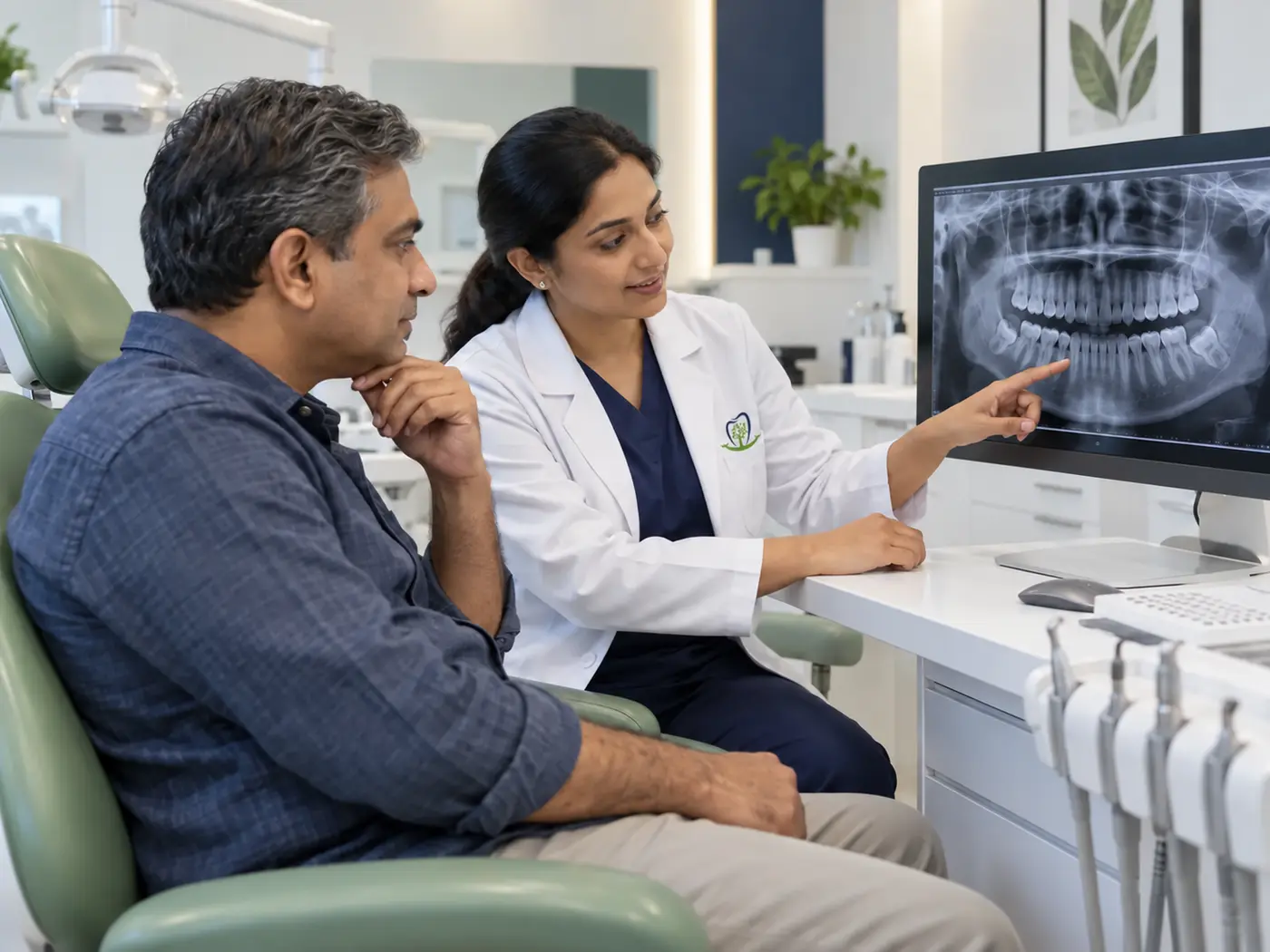
Removal should follow a clear diagnosis, discussion of reasonable alternatives and an understanding of what happens next.
The decision is individual. Examination and relevant imaging are required; pain intensity alone does not decide it.
Wisdom teeth
Wisdom teeth do not all need removal. Symptoms, position, surrounding tissues and effects on neighbouring teeth inform the plan.
Arrange examination for pain or swelling around a back tooth instead of repeatedly waiting for it to settle.
Relevant imaging may be needed to understand position, access and nearby structures.
We explain whether treatment, continued observation or another approach is appropriate and what changes to watch for.
The procedure
The approach depends on tooth position, access, surrounding bone and your health history.
An erupted tooth may sometimes be removed using instruments that loosen and deliver it after suitable local anaesthesia.
An impacted, broken or difficult-to-access tooth may require an incision, controlled bone removal or sectioning of the tooth.
We discuss bleeding, swelling, infection and tooth-specific considerations involving nearby nerves, sinuses or neighbouring teeth where relevant.
Recovery and aftercare
Recovery varies with the procedure and your health. The guidance below explains the usual sequence, but follow the instructions provided for your treatment.
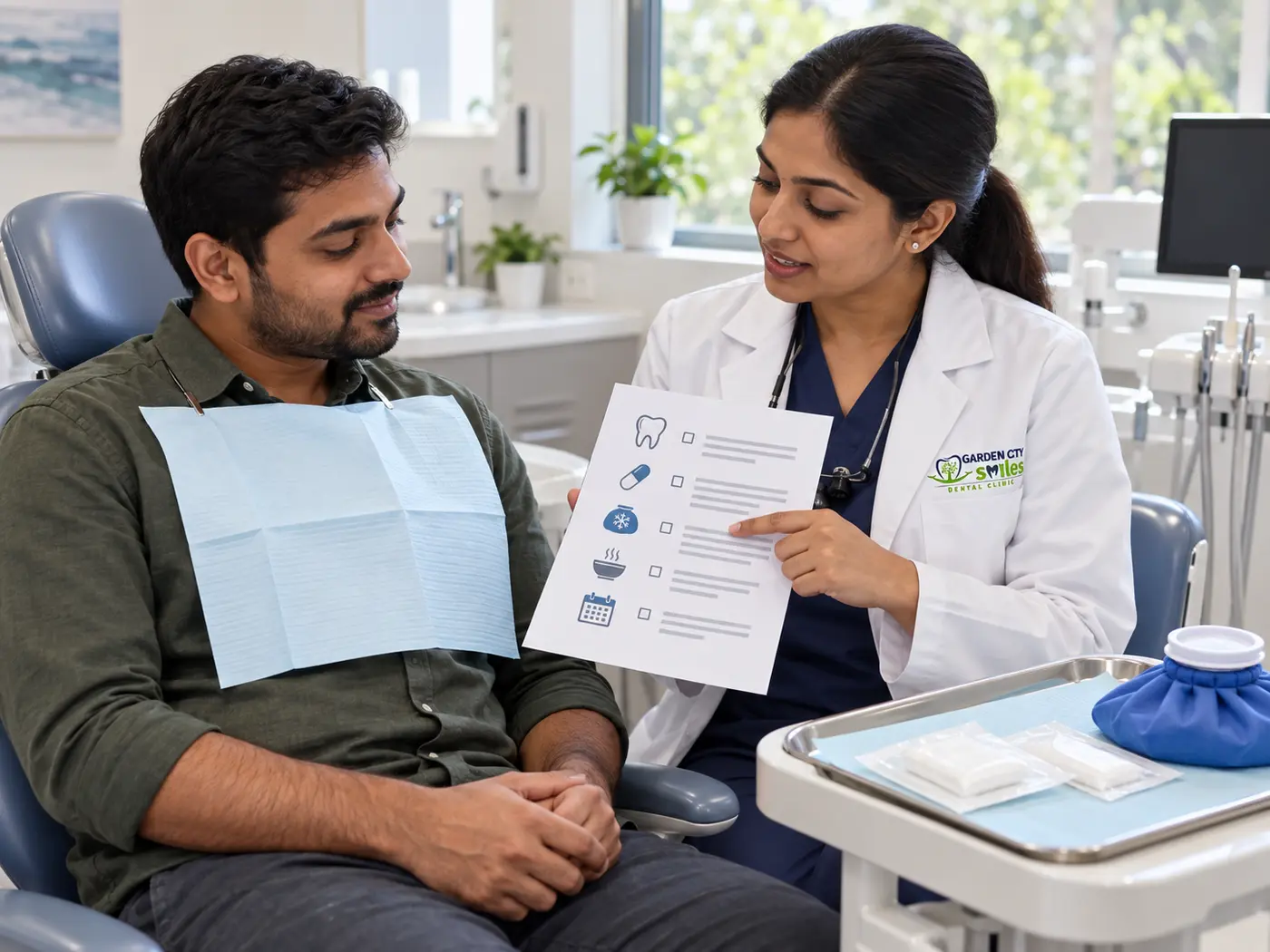
Use gauze and prescribed or recommended medicines exactly as instructed. Take care while the mouth remains numb and follow the advised eating guidance.
Protect the blood clot. Avoid vigorous rinsing, spitting, smoking and disturbing the area unless your clinician instructs otherwise.
Resume cleaning around the area as directed, follow food and activity advice, and attend any planned review.
Seek advice for persistent bleeding, worsening pain after initial improvement, increasing swelling, fever or anything that concerns you.
That depends on consultation, medical considerations, the procedure and appointment availability. Call first if care is urgent.
No. Teeth that can be retained may be monitored. The decision follows examination and imaging where needed.
The procedure and individual healing affect recovery. Ask for advice specific to your work and daily activities.
The clinic assesses the need and explains the appropriate care arrangements and setting before treatment is scheduled.
Further reading: ADA information about tooth removal.
Tell us what is worrying you. We will help arrange an appropriate consultation at GardenCity Smiles™, Yelahanka New Town.
Monday–Saturday · 9:30 AM–7:30 PM