Mon–Sat: 9:30 AM – 7:30 PM  ·  Sun: By Appointment Only
Home / Specialised Care / Snoring & Sleep Apnea

Snoring & Sleep Apnea Care in Yelahanka

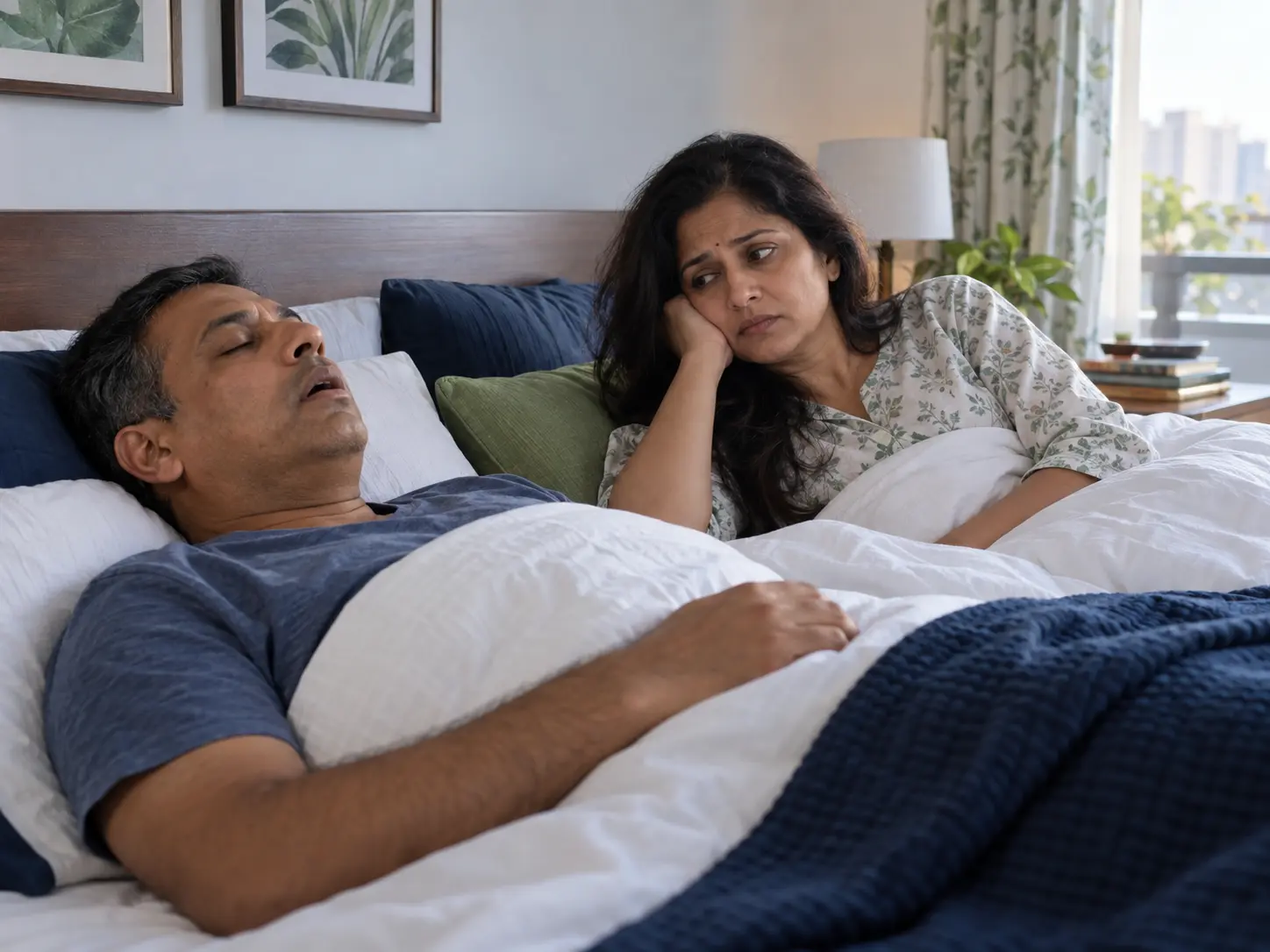
Loud snoring, breathing pauses or waking exhausted deserve more than a guess. We connect a review of your sleep symptoms, testing and report review with an individual treatment plan, including dental appliance care when appropriate.
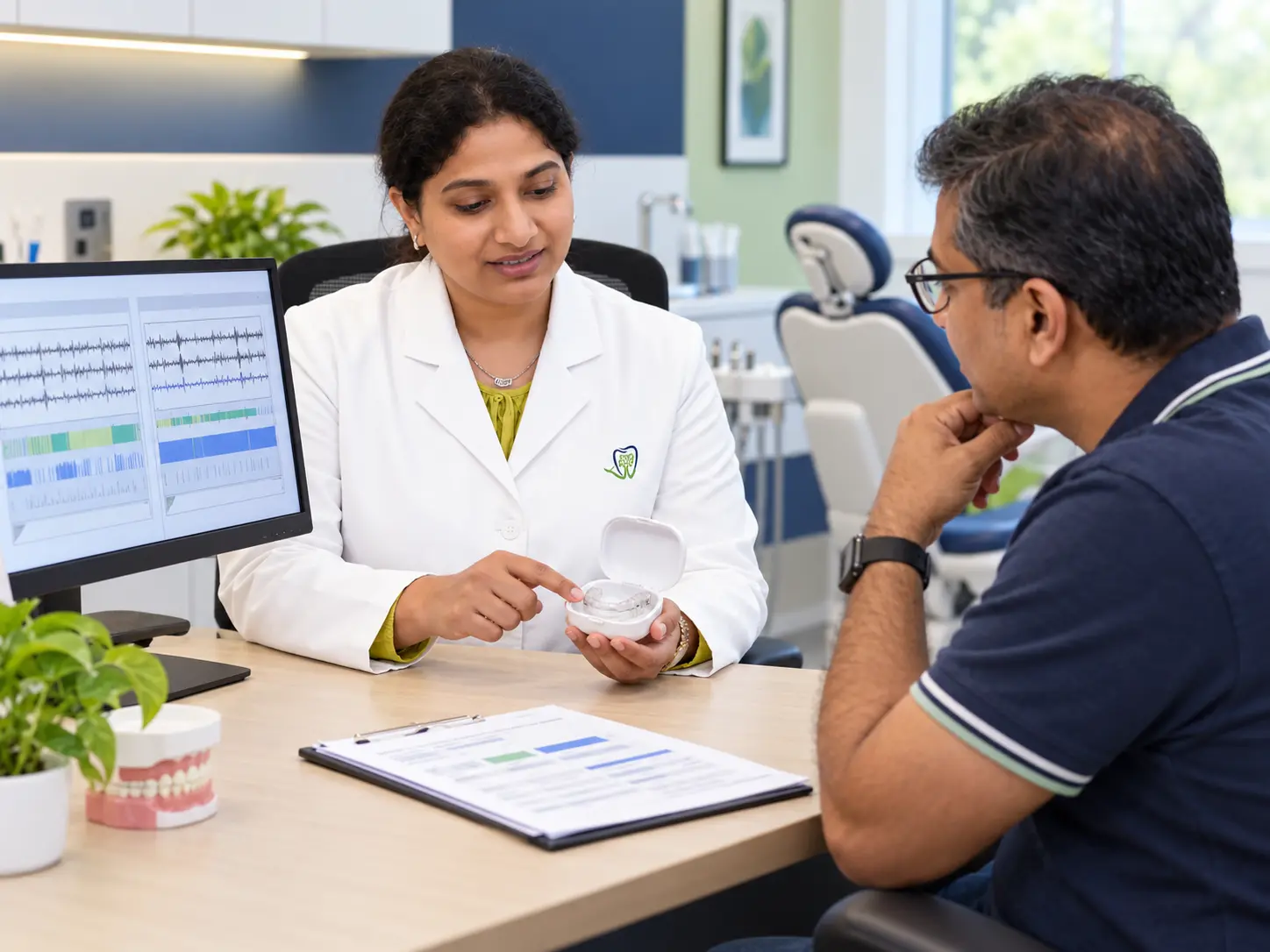
In-clinic sleep-study facility
Dr Deepthi Kalahasti reviews sleep findings alongside dental and jaw suitability, with medical or ENT coordination where needed.

Where Are You Starting From?

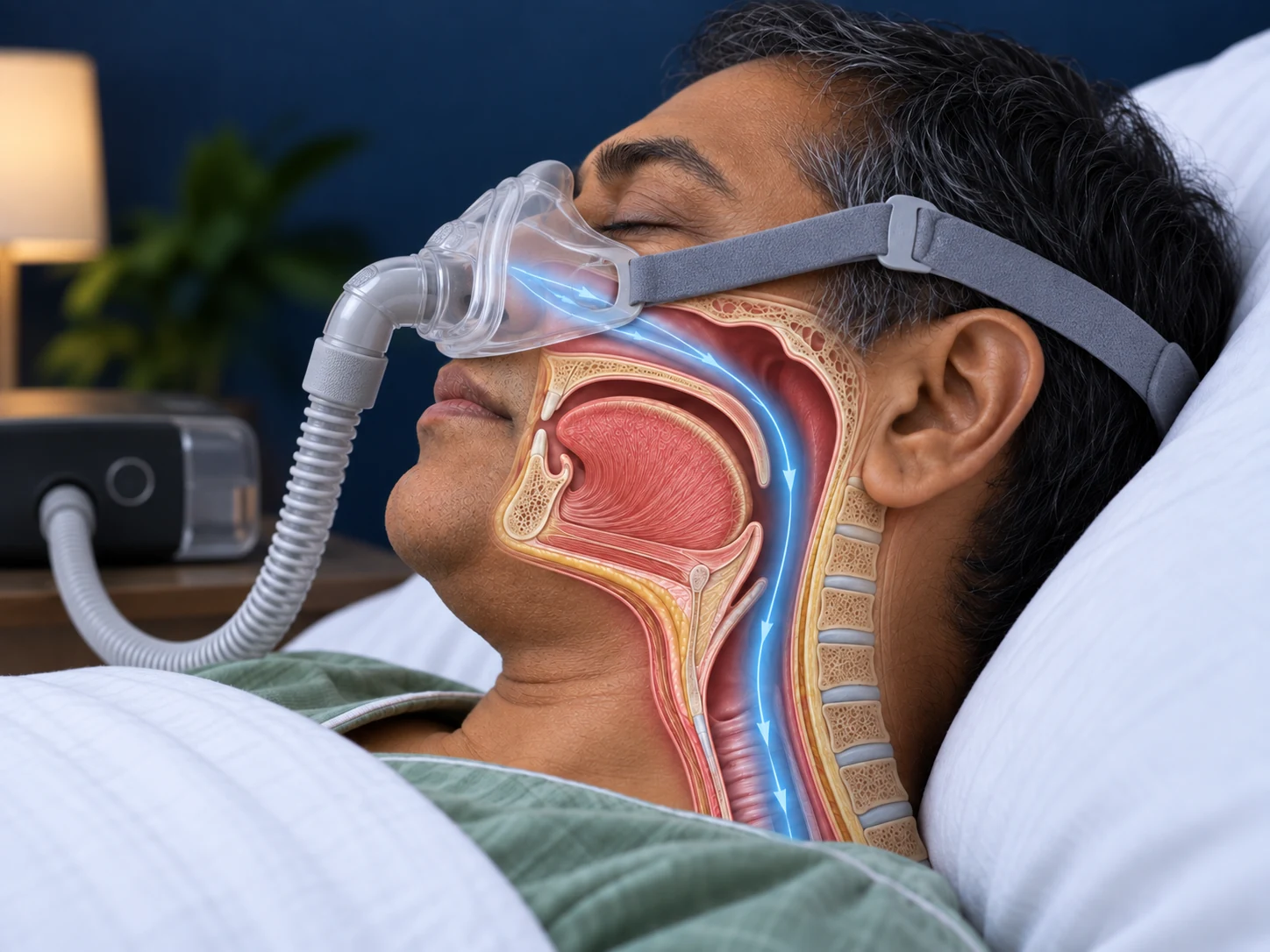
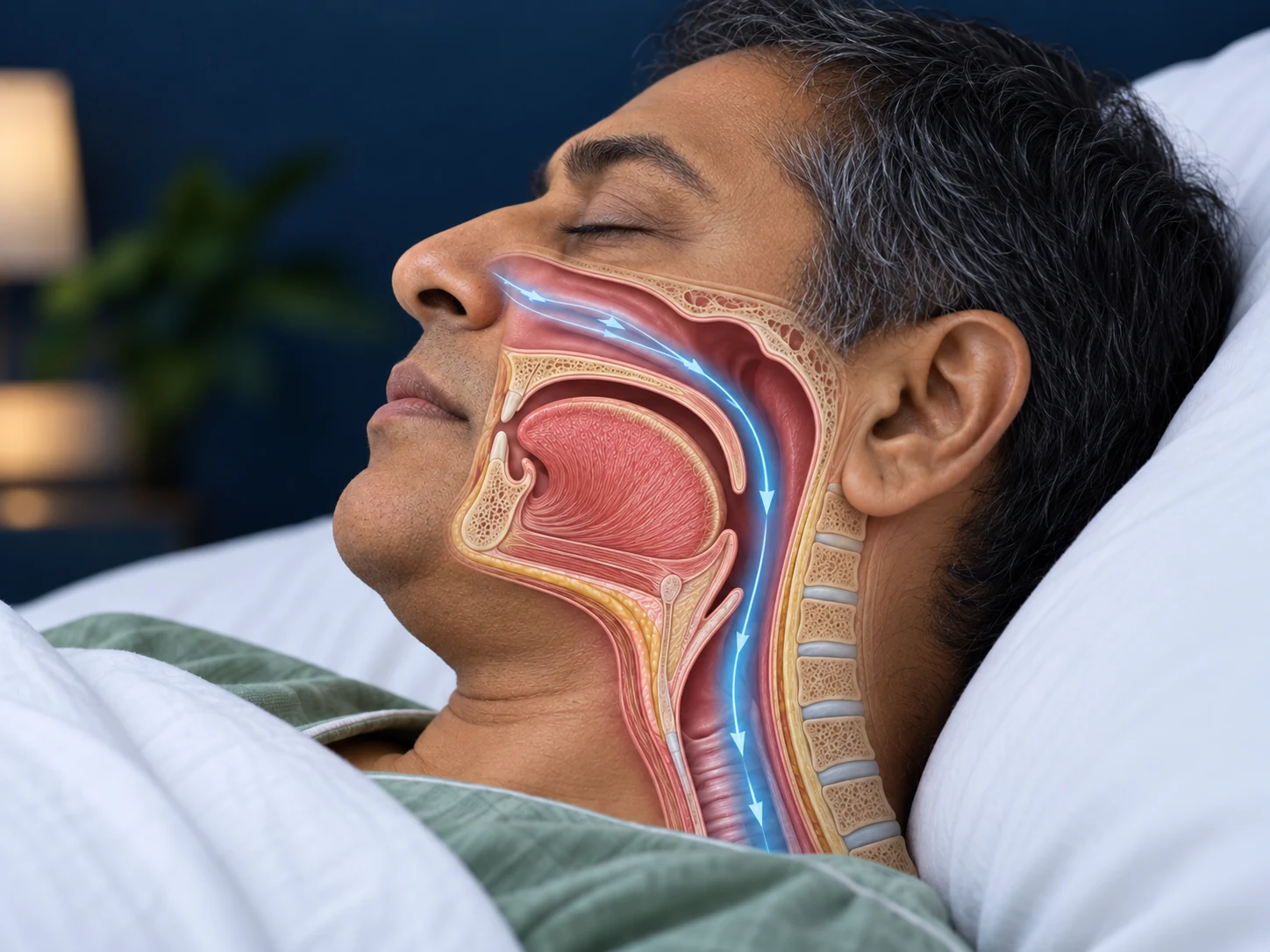
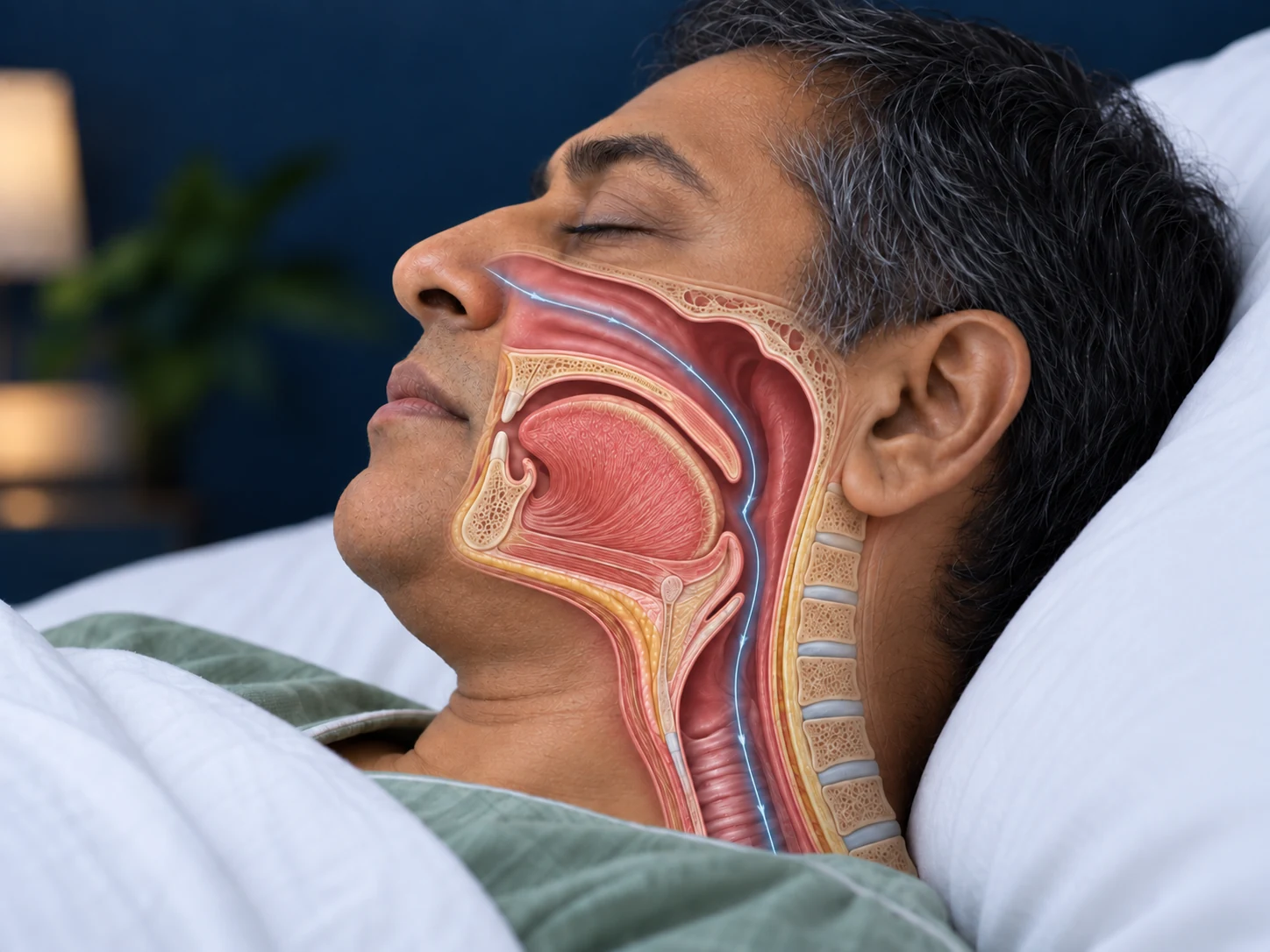
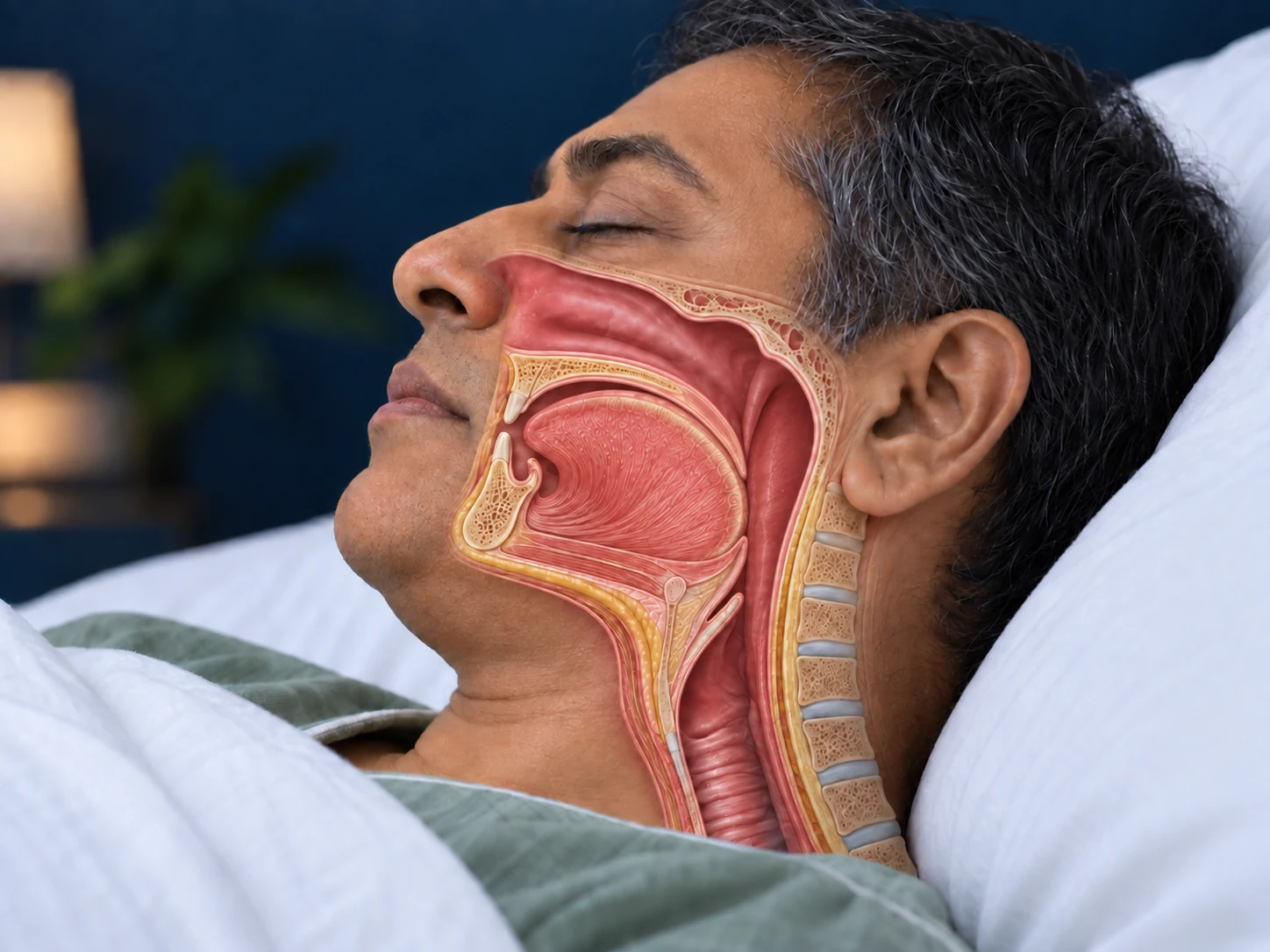
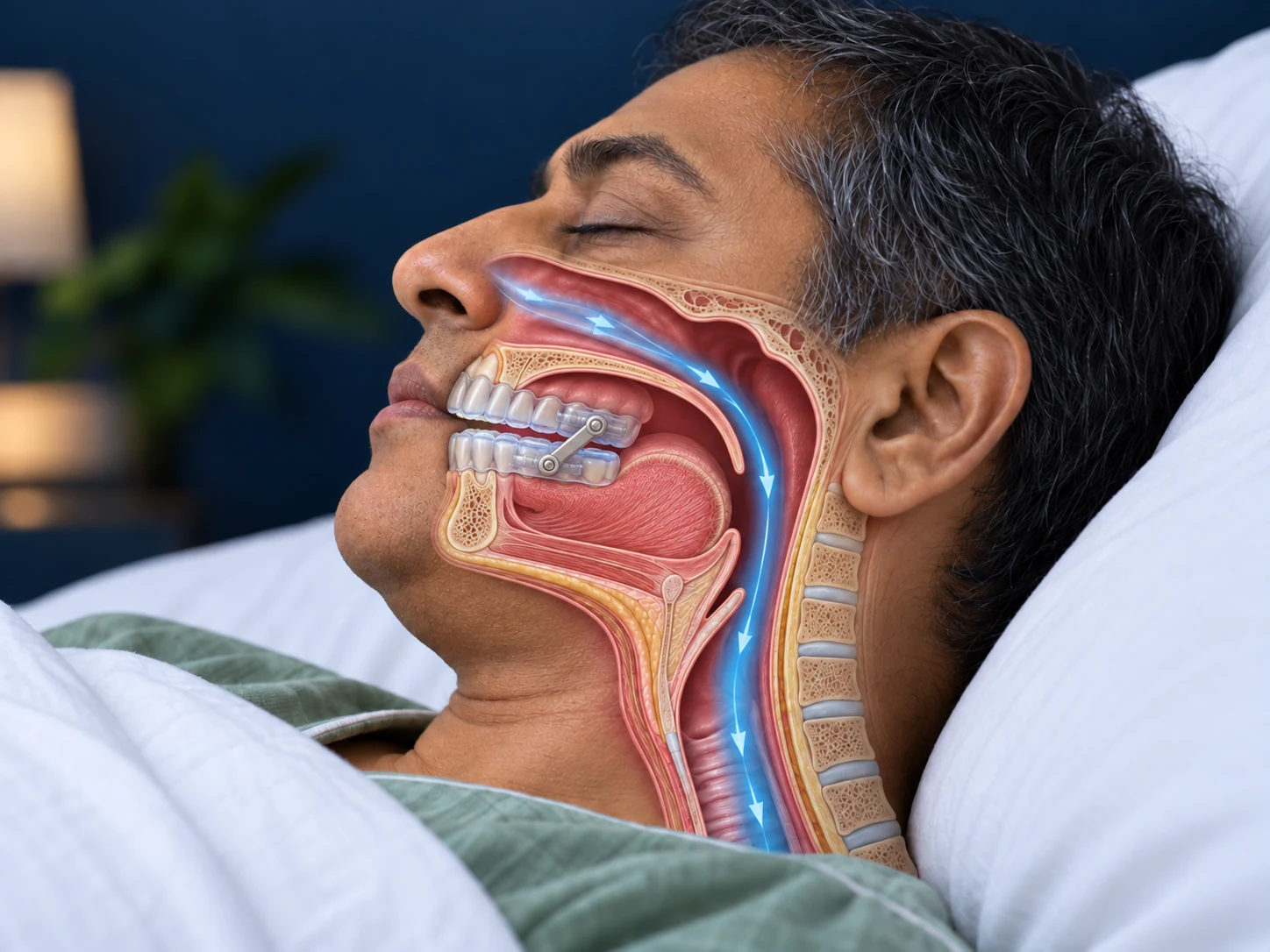
What Happens to the Airway During Sleep?

Select a state to compare airflow. These illustrations explain the concept; a sleep study measures what happens in your own sleep.

Sleep Consultations, Here at GardenCity Smiles™

Our clinic has an in-house sleep lab, so you can undergo a sleep study at GardenCity Smiles™ in Yelahanka New Town.

Before arranging your study, we explain what it involves and how to prepare. Dr Deepthi Kalahasti reviews your sleep findings alongside your symptoms and discusses the appropriate next steps, with medical or ENT coordination when needed.

How Your Consultation and Sleep Testing Fit Together

We review your sleep history, health and medicines. The clinic has a sleep-study facility; the appropriate test, location, preparation and arrangements are explained for your case before booking.

Dr Deepthi Kalahasti interprets sleep-study findings within the care pathway. We explain the breathing events, oxygen findings and what further medical or ENT input may be needed.

The type and severity of the condition, your health, dental suitability and preferences influence treatment. Options may include PAP, a selected oral appliance, supporting habit changes or other specialist care.

Feeling better or snoring less is useful, but does not always confirm control of sleep apnea. Follow-up reviews and objective testing are planned as appropriate.

How Do PAP and Oral Appliances Differ?

Compare PAP and a Custom Oral Appliance
QuestionCPAP / PAPCustom Oral Appliance
How It WorksAir pressure helps keep the airway open.Holds the lower jaw forward to help maintain airway space.
Choosing TreatmentSelected through the sleep-care pathway using the diagnosis and individual needs.Requires an appropriate indication and checks of dental and jaw suitability.
Practical PointsNeeds a mask, power and regular equipment care.Compact and does not need a power supply while worn.
Possible DifficultiesMask leak, dryness, congestion or pressure tolerance.Tooth or jaw discomfort, saliva changes and possible changes to the bite.
Checking ResultsUsage data, symptoms and clinical review; further testing when indicated.Dental and jaw review plus follow-up sleep testing to check effectiveness.
Treatment is individual. A quieter night is not enough to judge whether sleep apnea is controlled.

If an Oral Appliance Is Appropriate

We assess teeth, gums, bite and jaw movement, alongside the sleep diagnosis. We explain alternatives, expected benefits and limitations before taking records.

We check the fit and teach insertion, cleaning and the prescribed adjustment schedule. Do not advance the appliance beyond your clinician’s instructions.

Follow-up sleep testing helps check effectiveness. Dental reviews monitor comfort, tooth support, jaw symptoms and bite changes. Report pain, poor fit or changes in how your teeth meet.

An ordinary grinding splint is not a substitute for a prescribed sleep-apnea appliance. Tell us about an existing splint or any jaw symptoms.

Questions About Snoring and Sleep Apnea

No. Snoring can occur without sleep apnea, but symptoms alone cannot reliably distinguish them. Breathing pauses, choking and daytime sleepiness make a clinical review important.

Children need an appropriate paediatric or ENT-led consultation. Adult appliance pathways should not be assumed to apply to children.

Discuss changes with your treating sleep clinician. Suitability checks, fitting and verification are needed before relying on an alternative.

A mandibular advancement appliance holds the jaw forward. Existing pain, restricted movement and dental support can affect suitability and monitoring.

Bring sleep reports, relevant medical records, a medicine list and details of any current PAP device or dental appliance. A partner’s observations can help if you wish to share them.

If you are sleepy while driving or doing safety-critical work, stop the activity and seek prompt medical examination. Do not rely on an online form for immediate help.

Let’s Discuss Your Sleep and Breathing

Share a few details in the form below. It prepares a WhatsApp message for you to review and send; your appointment is confirmed separately by the clinic.
Scroll to Top