

Health-Led Cosmetic Planning
Cosmetic Dental Concerns
Explore changes to tooth colour, shape, spacing and gum appearance.
Understand suitable options, preserve healthy tooth tissue and plan around your priorities.
New pain, injury or a darkening tooth may need earlier consultation.
Prof. Dr. Deepthi Kalahasti
BDS, MDS (India) · FICOI, DABOP (USA) · DWCOI (Japan)
Certified Invisalign® Provider
Understanding Cosmetic Concerns
Appearance Is Only Part of the Conversation
A consultation begins with your priorities, a check of your teeth, gums and bite, and a discussion of options and limitations. Similar-looking concerns can need different approaches.
There is no single ideal smile. Choosing no cosmetic treatment is also a reasonable option. A useful consultation clarifies what can change, what should be preserved and what future maintenance may involve.
Start With What You Notice
What Would You Like to Improve?
Select a concern to see an example and understand what matters. These groups can overlap and do not provide a diagnosis.

Colour & Surface
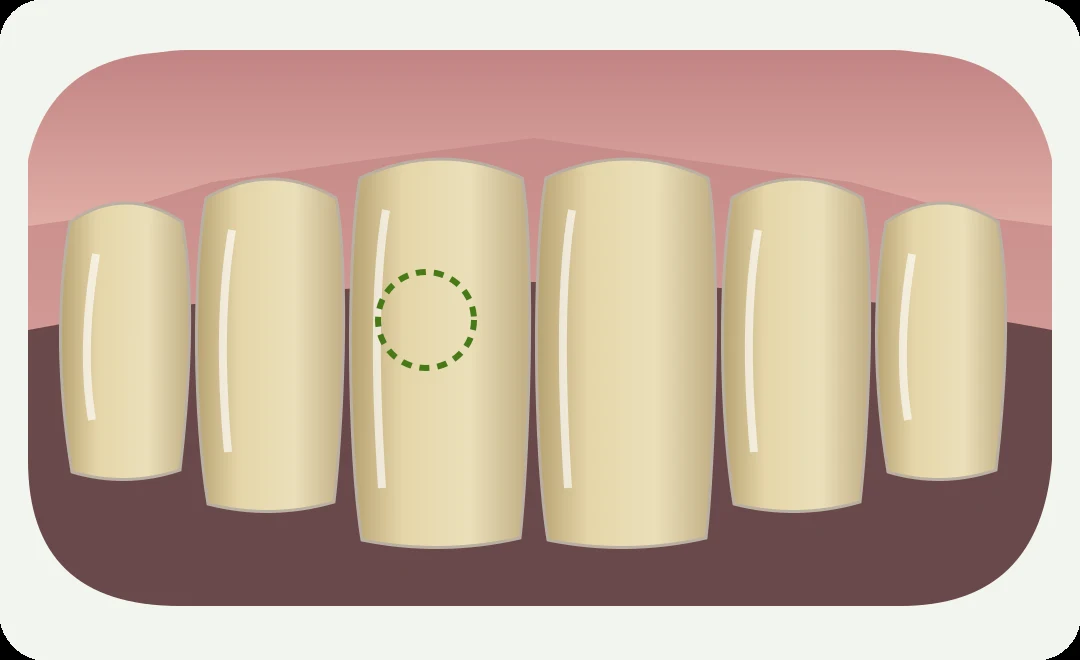
Yellow, brown or grey colour, white or brown enamel areas, and visible grey or silver restorations may prompt a discussion.
Cleaning and whitening are different: cleaning removes deposits and surface stains; whitening changes the colour of natural tooth tissue. Fillings and crowns do not whiten.
One darker tooth? A tooth that darkens after an injury or root canal treatment needs its cause investigated before a cosmetic plan.
Shape & Tooth Wear
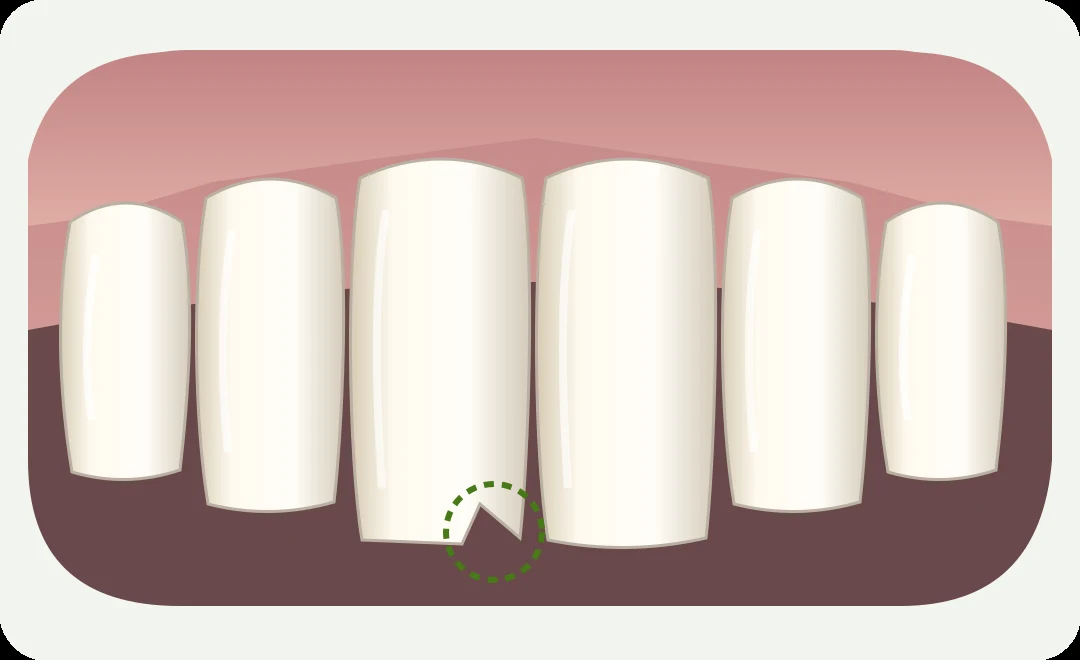
Small chips, uneven edges, cracks, worn teeth or teeth that appear short or proportionally small can have different explanations.
We check whether the change relates to wear, damage, tooth proportions or gum coverage. Your bite and the cause of any wear matter when choosing an option.
A new fracture, pain or sensitivity deserves earlier consultation.
Position & Spacing
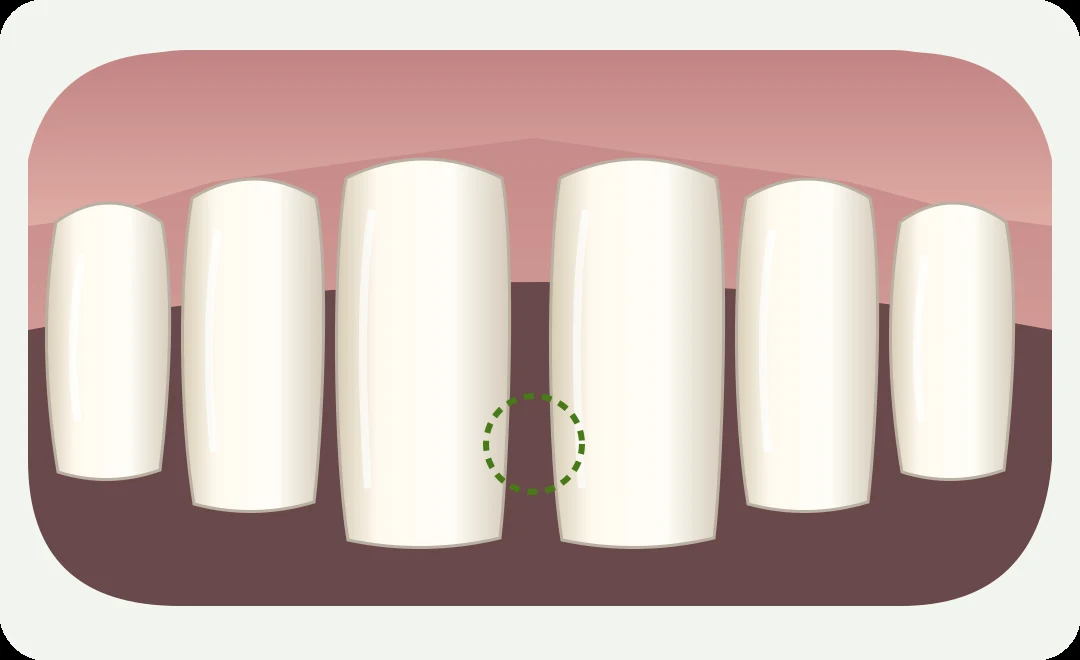
Gaps, rotated or crowded front teeth can affect appearance and make some areas harder to clean.
We assess tooth position and the bite before discussing orthodontic movement or other suitable approaches. A small space does not automatically mean bonding is the right choice.
New gaps or progressive tooth movement should be assessed rather than treated as appearance alone.
Gum Display & Symmetry
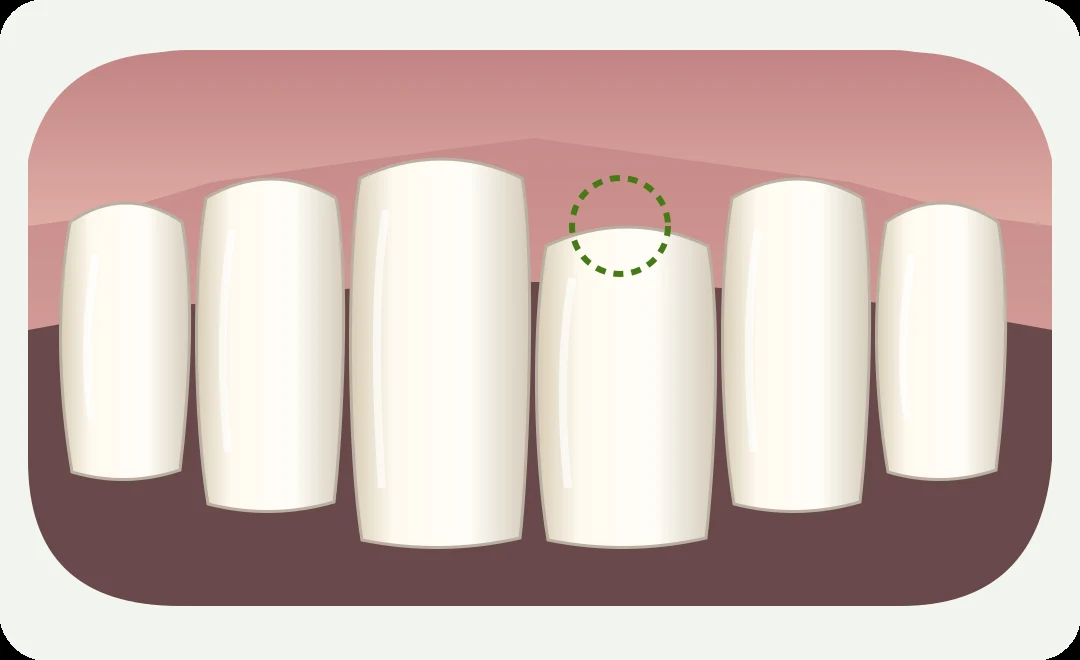
You may notice more gum display than you prefer, an uneven gumline, or recession that changes the proportions of your teeth.
Tooth shape, gum position and the way the lips move can influence what you see. Examining these features helps establish the cause; gum surgery is not suitable for every concern.
Normal smiles vary. A difference in appearance does not automatically require treatment.
Diagnostic Context
Why Smiles Change and Differ
Identifying the cause helps avoid unnecessary or unsuitable treatment. Select a topic below.
Surface & Lifestyle
Tea, coffee, turmeric, tobacco and red wine can contribute to external staining. Natural ageing can also deepen tooth colour.
The first question is whether the colour is on the surface or within the tooth. That distinction helps guide cleaning, whitening or another approach.
Enamel & Internal Colour
Developmental enamel changes, fluorosis, some medicines, acid exposure and early enamel mineral changes may alter appearance.
Similar-looking white or brown areas can have different causes. An examination comes before choosing treatment.
Structure & Restorations
Trauma, chipping, tooth wear, internal darkening and ageing fillings can change colour, contour or surface texture.
A sound restoration does not automatically need replacement. Its condition and the risks of intervention should be assessed.
Position, Proportion & Gums
Genetics, missing teeth, drifting, crowding, tooth proportions and gum recession can affect balance and symmetry.
The same visible concern may require a different plan depending on gum health, the bite and the position of the teeth.
Before Cosmetic Treatment
Check Health, Then Plan the Change
Teeth & Gums
Decay and gum problems need examination and appropriate care. Existing crowns and fillings can affect colour matching and treatment choices.
Bite & Tooth Wear
The bite, tooth position, wear and any clenching or grinding can affect which options are suitable and how they are maintained.
Your Priorities
Discuss the change you want, your tolerance for tooth preparation, your available time and the ongoing care you are comfortable with.
Treatment Is Not One-Size-Fits-All
Options to Discuss After Your Examination
Compare what each option may address, how it affects the teeth and what maintenance it involves. These are discussion points, not a personalised treatment recommendation.
Cleaning & Whitening
- When it may be discussed
- Surface staining or a wish to lighten natural tooth colour, after examination.
- Preserving your teeth
- These options do not involve covering teeth with veneers. Cleaning and whitening have different purposes.
- Limits to understand
- Whitening does not change the colour of fillings or crowns; sensitivity and results vary. A single dark tooth needs its own diagnosis.
- Maintenance & Future Care
- Discuss any repeat whitening, reviews, sensitivity management and how existing restorations may affect colour matching.
- Read the teeth-whitening patient guide →
Composite Bonding
- When it may be discussed
- Selected small chips, spaces or tooth-shape concerns.
- Preserving your teeth
- Adding tooth-coloured material may allow a conservative approach. The amount of preparation depends on the case; do not assume every procedure is fully reversible.
- Limits to understand
- Bonding can stain or chip and is not interchangeable with veneers or orthodontics in every case.
- Maintenance & Future Care
- Ask about polishing, repair, replacement and habits that may damage the material.
Braces & Clear Aligners
- When it may be discussed
- Tooth position, crowding or spacing concerns where movement is appropriate.
- Preserving your teeth
- Moving teeth may address position without using restorations to disguise it. Any additional procedures must be explained in advance.
- Limits to understand
- Treatment time, suitability, cleaning and the bite need careful consideration. Treatment is not simply a choice based on appearance.
- Maintenance & Future Care
- Ask about appointments, retainers, retainer replacement and ongoing reviews. Long-term retention is part of the commitment.
- Explore braces care · Explore Invisalign® and clear-aligner care
Veneers
- When it may be discussed
- Carefully selected shape or colour concerns after alternatives are considered.
- Preserving your teeth
- Preparation can remove enamel and is irreversible. Ask how much tooth tissue would be removed and why.
- Limits to understand
- Veneers can chip, loosen or wear; gum disease, decay and bite concerns need attention before treatment.
- Maintenance & Future Care
- Discuss possible repairs and future replacement.
Gum Appearance & Care
- When it may be discussed
- Gum display, asymmetry or recession after a gum and facial examination.
- Preserving your teeth
- The cause determines whether treatment is appropriate; choosing no cosmetic procedure can be reasonable.
- Limits to understand
- Surgical approaches are not appropriate for everyone. Discuss expected changes, risks and recovery for the proposed procedure.
- Maintenance & Future Care
- Ongoing gum health and reviews matter. Ask what follow-up care is recommended.
Monitor, Repair or Replace
- When it may be discussed
- Older or visible restorations whose appearance or condition concerns you.
- Preserving your teeth
- Monitoring or repair may be suitable. A sound filling does not need replacement solely because of its colour.
- Limits to understand
- Replacement involves intervention in the tooth. Discuss benefits, risks and alternatives before deciding.
- Maintenance & Future Care
- Ask about the likely upkeep of the proposed material and future repair or replacement needs.
Before You Decide
What Every Patient Should Know
Start Conservatively
Where clinically suitable, discuss options that preserve healthy tooth tissue before considering irreversible procedures.
Understand the Commitment
Ask about sensitivity, tooth preparation, upkeep, likely replacement and long-term care.
Keep Expectations Clear
Healthy teeth and gums come first. Digital simulations can support a discussion; they do not guarantee a result.
Long-Term Care
Protecting Your Smile and Results
Every plan needs a maintenance conversation. Select a habit to see how it fits into long-term care.
Keep the Foundations Consistent
Brush gently twice daily with fluoride toothpaste and clean between teeth each day. Ask the dental team to demonstrate tools and techniques suited to your teeth and restorations.
Protect Teeth & Restorations
Use suitable protection during contact sports. Discuss tooth wear, clenching or grinding so any protective appliance is based on your clinical findings.
Do not use teeth to open packaging or bite hard objects.
Support Long-Term Oral Health
Avoid tobacco and ask for support if needed. Discuss persistent reflux or acid exposure with your healthcare team.
Ask how foods, drinks and your routine may affect staining or the maintenance of your chosen treatment.
Plan for Upkeep
Attend reviews at intervals recommended for you. Cosmetic work still needs daily care and may eventually require polishing, repair or replacement.
Ask which reviews, retainers and maintenance visits are recommended for your treatment.
Make the Consultation Useful
Bring These Questions With You
Your Consultation Checklist
- What is causing the change I have noticed?
- What is the least invasive suitable option?
- How much healthy tooth tissue would be removed?
- What happens if I wait or choose no cosmetic treatment?
- What maintenance, repairs or replacements should I expect?
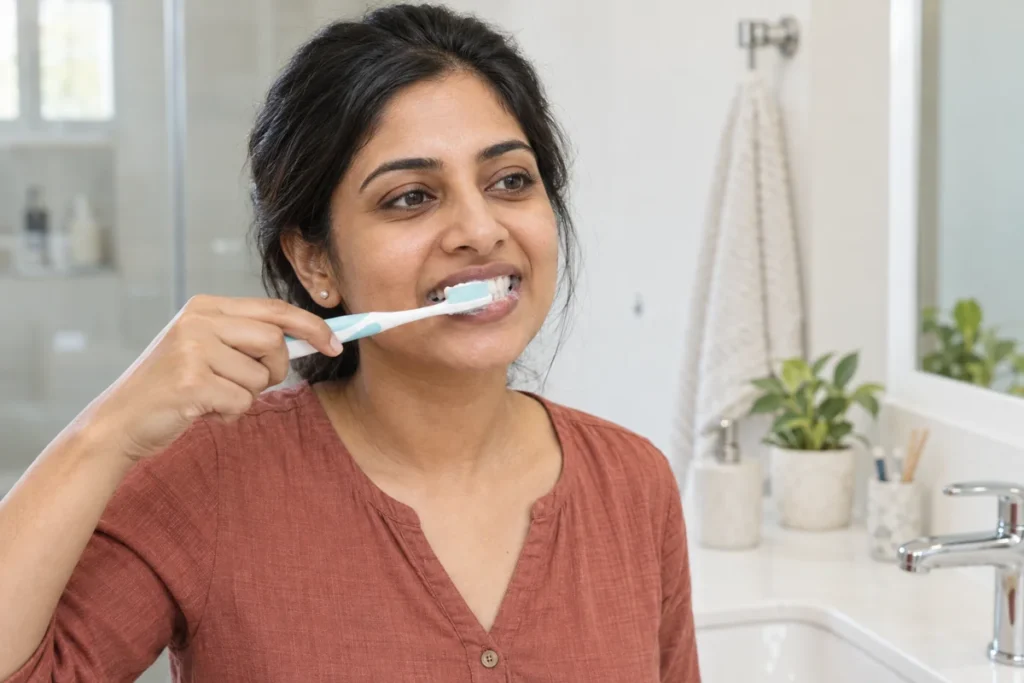
Consultation image is illustrative, not an actual patient or treatment result.
Timing Your Visit
When to Arrange a Dental Visit
Plan a Cosmetic Consultation
Arrange a routine visit to discuss colour, shape, spacing or gum appearance, conservative options and maintenance.
Arrange an Earlier Review
- A tooth darkens after trauma or root canal treatment.
- You notice a fracture, new pain or sensitivity.
- A white, brown or unusual area appears or changes.
- Gum recession or tooth movement is progressing.
Seek prompt care for severe pain, facial swelling, uncontrolled bleeding or significant dental trauma. Difficulty breathing or swallowing needs immediate hospital emergency care.
Frequently Asked Questions
Clear Answers Before You Decide
Whitening acts on natural tooth tissue and results vary. Crowns and fillings do not change colour. One darker tooth may need diagnosis before any cosmetic treatment. Discuss possible sensitivity and realistic expectations first.
Depending on the concern, options may include cleaning, whitening, bonding or orthodontic treatment. Sometimes no cosmetic treatment is needed. Your clinician should explain the least invasive suitable choices and their limits.
Bonding can suit selected small chips, spaces and shape concerns. It is not interchangeable with veneers in every case. Staining, repair, maintenance and any tooth preparation should be discussed.
Discuss the colour, proportions and degree of change you prefer. There is no single ideal smile. Photographs or simulations can help communication, but they cannot guarantee the final appearance or your satisfaction.
No. A sound restoration does not automatically need replacement. Its condition, location and the risks and benefits of intervention should be assessed before deciding.
Choosing no cosmetic treatment can be reasonable when the concern is appearance alone. Ask what monitoring is appropriate. Pain, damage, decay or gum disease should be assessed separately from a cosmetic preference.
Patient information: NHS — Teeth whitening · ADA — Veneers
General information supports, but does not replace, a consultation with your dentist.
Explore Other Dental Concerns
A Clear, Unpressured Next Step
Ready to Discuss Your Smile?
Book a consultation at GardenCity Smiles™, Yelahanka. Understand your options, limitations and maintenance before deciding.
To arrange a visit, Call Clinic or message GardenCity Smiles™ on WhatsApp.